My Heart Was the Case Study: Why a CAC Score of Zero Didn't Tell the Whole Story

Written by
Irma Jennings, INHC
Uploaded
October 23


Heart disease is the number one killer of women in the United States, responsible for about one in five female deaths. Yet many women still believe breast cancer is the bigger threat. I was one of them for longer than I'd like to admit.
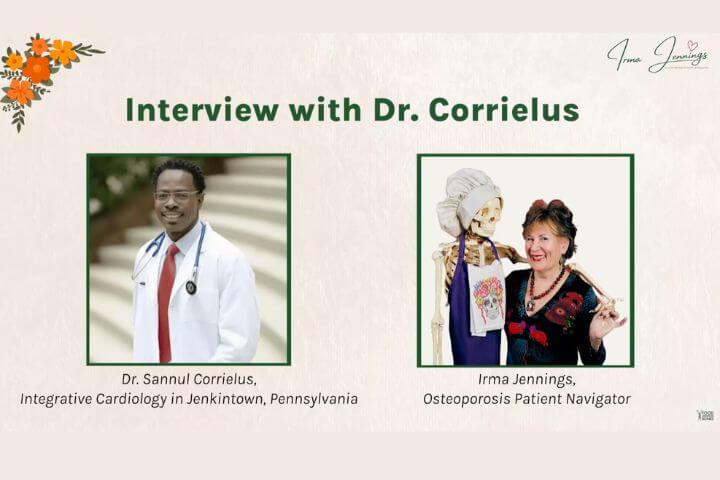
So when my integrative cardiologist, Dr. Sanul Corrielus, and I sat down to talk about women's heart health, I offered him the most honest example I had: my own heart.
My father died at 54. My mother at 66. My sister at 60. Add 25 years of smoking and a high-stress Wall Street career, and you can see why I don't leave my heart to chance.
But here's the first surprise. When I told a lipidologist I had a family history of heart disease, she asked how I knew. Without medical records or autopsy reports, family history is a story, not data. That question sent me looking for real numbers.
Two in three women who die suddenly of heart disease had no prior symptoms. And when women do have symptoms, they rarely look like the movie version. Watch for:
These are easy to dismiss, by us and by our doctors. That's exactly why testing matters.
My advanced blood work looked alarming:
On paper, I was a statin prescription waiting to happen.
But my imaging told a different story. My coronary artery calcium (CAC) score was zero. Twice. My carotid ultrasound, echocardiogram, stress test, and heart monitor were all normal.
So which was right?
A CAC scan only sees calcified plaque. It can't see soft plaque, the kind that's more likely to rupture and cause a heart attack.
To settle the question, Dr. Corrielus ordered a coronary CT angiography (CCTA), a scan with contrast dye that can detect soft plaque. Mine was read with HeartFlow AI, which the technician said was faster and more accurate than the older off-site readings.
The result: no soft plaque. My blood work showed potential risk, not actual disease.
With that complete picture, Dr. Corrielus decided I didn't need a statin. We'll recheck in a year.
This is what integrative cardiology means to me. Not one number. Not one test. The whole picture, so you're neither under-treated nor over-treated.
Root-cause thinking showed up in another way too. I'd had an allergic reaction to red yeast rice, a natural cholesterol option that works much like a mild statin. Dr. Corrielus traced the reaction not to the red yeast rice itself but to a binder in that particular brand. Different brand, different story. We'll revisit it when the timing is right.
Dr. Corrielus walks through every one of my results in our video interview, including the questions women most often ask him.
Your heart deserves more than one number. So do you.
Dr. Sanul Corrielus
Corrielus Cardiology
The Pavillion
261 Old York Rd Suite 309
Jenkintown, PA 19046
website: https://corrieluscardiology.com/
Appointments & General Inquiries:
(215) 383-5900
This post shares my personal experience and is for education only, not medical advice. Please talk with your own doctor about the testing and treatment that's right for you.
Watch the full conversation with Dr. Sanul Corrielus in the video above.
Have you ever left a doctor's appointment feeling unheard? Maybe your tests came back "normal," but something still didn't feel right. In this eye-opening conversation, integrative cardiologist Dr. Sanul Corrielus explains why that experience is so common — especially for women — and what you can do about it.
Dr. Corrielus practices what he calls a biopsychosocial approach to cardiology: treating the whole person, not just the disease. He shared the story of a 42-year-old patient whose chest pain was dismissed after a normal EKG and stress test. The real culprit? Stress-induced arterial constriction — a genuine heart issue that standard protocols completely missed.
The lesson: if your symptoms are being brushed aside, you have every right to ask for a deeper look at stress, hormones, and inflammation.
If you take away one action step from this interview, it's this — ask your doctor for a Coronary Artery Calcium (CAC) score. This simple, non-contrast X-ray measures hard plaque in your arteries. A score above zero means atherosclerosis is present, and knowing that early gives you the power to intervene.
And if your doctor refuses? You can self-pay at an imaging center for around $150. Dr. Corrielus also discussed two other valuable tools: the Coronary CTA, which reveals soft plaque a CAC scan can't see, and a comprehensive blood panel that looks at inflammation markers and genetic risk factors like Lipoprotein(a).
For prevention, Dr. Corrielus keeps coming back to fundamentals. A Mediterranean diet is his primary intervention, with calcium coming from food first and supplements only filling the gaps (aim for 1000–1200 mg total daily). Vitamin K2 can help direct calcium toward bones and away from arteries — though it deserves a conversation with your doctor, especially if you take blood thinners.
And here's the free prescription that surprised many of us: daily gratitude practice. Stress drives inflammation, and inflammation drives heart disease. A few minutes of gratitude journaling each day is a genuinely powerful way to lower that burden.
Your heart health is too important to leave to a checklist. Watch the full interview to hear Dr. Corrielus explain each of these topics in his own words — including his guidance on hormone replacement therapy and osteoporosis medications.
When you find out your bone density is low, it’s easy to feel stuck waiting for your next DXA scan—which often takes one to two years. But your bones are dynamic, living tissue. They are constantly changing, breaking down, and rebuilding every single day.
How can you tell if your lifestyle shifts, diet changes, or medications are actually working right now? The answer lies in bone turnover markers (BTMs).
In a recent discussion with osteoporosis expert Dr. Keith McCormick, holistic bone coach Irma Jennings dived deep into why these specialized blood tests are the ultimate "detective tool" for managing bone health.
Bone turnover markers are simple lab tests that measure specific proteins or enzymes released during the natural bone remodeling cycle. Think of your skeleton as a continuous construction site managed by two main types of cells:
By checking these markers, your doctor can see exactly how fast your bones are tearing down versus how effectively they are building up.
If these tests are so helpful, why aren't they standard practice everywhere? As Dr. McCormick points out, BTMs require strict precision to be accurate.
Because bones follow natural circadian rhythms governed by light and your brain's internal clock (the suprachiasmatic nucleus), markers like CTX fluctuate wildly throughout the day. CTX peaks around 3:00 AM and hits its lowest point around 3:00 PM. Testing a patient at 8:00 AM versus 10:00 AM can cause a massive variance of 200 points, leading doctors to falsely believe the test is unreliable. Furthermore, because morning light conditions differ between January and July, your seasonal biological rhythm can naturally shift your baseline markers.
If you don't take the test correctly, your results will be all over the place. To ensure your labs are accurate, remember these strict guidelines:
When a patient displays a severely depressed P1NP score, it indicates poor anabolic capacity—meaning the body is struggling to generate a new bone matrix. Dr. McCormick investigates several critical, often-overlooked systemic issues behind a sluggish P1NP:
Many standard medical approaches treat osteoporosis mechanically—looking at a single T-score and immediately writing a script for a long-term medication. But true bone health requires precision medicine, especially because different classes of medication manipulate your skeletal biology in completely unique ways:
During our session, members of the Bones Tribe community asked specific questions regarding personalized dosing, hidden inflammation, and reading complex scans.
Q: Should someone use the CTX test as a guide for when they need another Reclast infusion, rather than just blindly following the standard one-year rule?
Dr. McCormick: Yes, absolutely. For many people, the effects of an infusion can last a year and a half, two years, or even two and a half years. However, using CTX as a guide requires knowing your baseline test before you started treatment:
Q: How many Reclast infusions should a person take in a row before stopping?
Dr. McCormick: If you are doing them every single year, three infusions would be my absolute maximum. These drugs stay in your body for a long time (five to 10 years), but their peak effectiveness wears off much sooner. By the time you get to a third yearly infusion, you've built up enough of a reserve that it can sometimes last and remain effective for about three to three and a half years on its own.
Q: If someone with celiac disease is accidentally exposed to hidden gluten, how long should they wait before getting their bone markers tested?
Dr. McCormick: If it was a really big flare, I would suggest waiting about two months before getting tested. Celiac disease causes bone loss because it disrupts the gut's ability to absorb nutrients, and it causes a massive spike in antibodies. Because osteoclasts are actually a type of white blood cell and a direct part of your immune system, they "hear the noise" of those rising antibodies, get highly stimulated, and immediately start tearing down more bone.
Q: If an older woman's DXA scan shows a seemingly okay bone density (like a T-score of -2.0) but her TBS (Trabecular Bone Score) is very low (like 1.1), what does that conflict mean?
Dr. McCormick: When the bone density looks good on a DXA but the TBS looks bad, it is a major red flag that usually indicates the patient has osteoarthritis. A standard DXA scan is just measuring "attenuation"—it calculates how many X-rays are blocked by mass, but it cannot differentiate between bone tissue and arthritic buildup. Hardening (sclerosis) or bone spurs in your facet joints will register on a DXA as "good density," falsely inflating your T-score.
Meanwhile, the TBS is a computer pixel analysis that strictly looks at the internal connectivity of the bone's cross-beams (trabeculae). If those internal beams are disconnected, the TBS will show severe weakness (like a 1.1), proving the bone is vulnerable despite what the DXA says. This discrepancy explains why 50% of women who experience a fracture don't actually show osteoporosis on a standard DXA scan.
By tracking bone turnover markers every six to twelve months, you and your practitioner can actively spy on your bone activity. Instead of guessing, you can see if a medication has done its job, find out if a gut issue like celiac disease is triggering a flare of bone loss, or measure how beautifully your body is responding to heavy lifting.
The medical world is moving rapidly toward generic programs and mechanical systems that automatically slide patients into rigid, predetermined slots. True bone health tracking requires a "detective" mindset. It means looking deeply at the individual person, reviewing past records so you don't repeat unnecessary tests, and looking at how gut health, lifestyle, and systemic inflammation are interacting with your skeleton today before making a clinical decision.
Your bones change long before it shows up on a bone density scan. By using bone turnover markers as your health detective, you can make informed, proactive decisions to protect your skeleton for the long haul.
To watch the full discussion on precision bone health, listen to the complete interview on my YouTube Channel.
Watch the full interview here: Osteoporosis & Bisphosphonates With Dr. Lani Simpson
When you receive a diagnosis of osteoporosis or osteopenia, it’s easy to feel overwhelmed or like you’ve "failed" at your health. However, as Dr. Lani Simpson emphasizes, a diagnosis is simply a piece of data—a starting point for a lifelong conversation with your healthcare providers.
In this comprehensive guide, we dive into possible "root causes" approach to bone health, the truth about bisphosphonates and dental work, and why your bone density scan (DEXA) might not be telling the whole story.
Most people focus solely on their T-score from a DEXA scan. However, Dr. Simpson points out that density is only half the battle [08:57].
You can have dense bones that are brittle and prone to shattering, much like a piece of fine china [10:41]. To get the full picture, Dr. Simpson recommends the TBS (Trabecular Bone Score), which measures the internal structure of the bone [10:24].
A common concern for patients on bone medications like bisphosphonates (Fosamax, Reclast) or Prolia is the risk of dental complications.
While the fear of ONJ is high, Dr. Simpson notes that it is extremely rare [17:46].
One of the most important takeaways is that you shouldn't treat a bone density test; you should treat the person [06:14]. Dr. Simpson advocates for Bone Turnover Markers (BTMs) to see if you are actively losing bone right now [22:52].
Important: Always get these tests done first thing in the morning, while fasting, and stop taking supplements containing Biotin for 3–5 days prior, as it can interfere with lab results [51:12].
Dr. Simpson explains the two main categories of bone drugs:
The Strategy: Many experts now believe in using a "bone builder" first to gain bone, followed by a bisphosphonate to "lock in" those gains [21:15].
Osteoporosis is a complex, multifactorial condition. Whether you are a vegan who needs protein awareness, [53:13], dealing with a history of steroid use [32:11], or just starting your journey, the key is to find a practitioner who looks at the root cause—including gut health, hormones, and kidney function—rather than just a T-score.
From my experience as an Osteoporosis Patient Navigator….
comes a common theme.

When someone receives a diagnosis — osteoporosis, for instance — it can stir up a surprising and often unspoken emotion: shame.
Not fear, not confusion, not even sadness at first — but shame.
That deep, quiet feeling of “I must have done something wrong.”
Many of the women and men I work with describe this moment vividly. They sit in the doctor’s office, hear the word osteoporosis, and immediately start an internal dialogue:
That’s the voice of shame — and it can be as heavy as the diagnosis itself.
Shame is a master of disguise. It often hides behind words like embarrassment or disappointment, yet it’s rooted in self-blame.
When we stay silent about it, it grows stronger.
After a diagnosis, many people hesitate to share the news — not because they don’t trust their loved ones, but because they don’t want to be seen as fragile or broken.
But here’s the truth: silence gives shame power. Speaking, sharing, and connecting dissolve it.
I often remind clients that a diagnosis is not a verdict — it’s information.
It’s the body’s way of saying, “Something needs attention, nourishment, and care.”
Bones, after all, are alive. They are constantly rebuilding, reshaping, and responding to the messages we send through food, movement, and mindset.
When a diagnosis arrives, it’s not announcing an ending; it’s offering an invitation.
The invitation is to listen more deeply, to care more gently, and to rebuild from a place of knowledge rather than fear.
Healing from shame begins with understanding that you didn’t cause this.
Our bones reflect years of living — genetics, hormones, digestion, food, exercise, medications, stress, and even joy and loss.
Once the shame softens, clarity follows.
You begin to see the path forward: nourishing foods, mindful movement, weight training, restful sleep, connection, laughter — the simple, powerful acts that build bone from the inside out.
And slowly, the word osteoporosis loses its sting. It becomes part of a story of resilience, not regret.
A diagnosis is not the end of your story—it is the moment you take authorship.
Step forward with intention—through nourishment, movement, rest, informed medical care, and honest conversation. Each choice sends a signal of safety and strength to your bones and to yourself.
This is how resilience is built.
Not all at once—but consistently, wisely, and with self-respect.
The strength you are seeking has been with you all along.
Better bone health is absolutely achievable, no matter your age. Our bones are the framework that keep us moving, standing tall, and living active lives. Yet many people don’t realize that small daily choices can either strengthen or weaken this foundation.
Bone health isn’t just about avoiding fractures later in life—it’s about energy, mobility, and quality of life today. I learned this the hard way years ago, when I started paying closer attention to how my daily choices added up. Some mornings I’d rush through breakfast, grab coffee, and feel depleted by noon. On other days, when I slowed down, hydrated, and actually ate those veggies my body had been asking for, I noticed a clear difference—not just in energy but in how strong I felt from the inside out.
The truth is, our bones respond to the little things we do every single day. The foods we eat, the way we move, and even how we breathe before a meal all play a part. That’s why I started gathering small, realistic practices that actually fit into daily life. Below are eight simple tips for bone health that I use myself—and that you can start adding into your routine right away.

A simple habit like drinking the juice of one lemon in warm water each morning can set the tone for your day. Lemon water has an alkalizing effect in the body, which supports overall balance and reduces the acid load that contributes to calcium loss. Hydration is also essential for bone and joint health, and beginning your day with water helps your body function optimally. I often think of it as a reset button—light, cleansing, and energizing. If you want stronger bones, start by supporting your system from the moment you wake up.

Vegetables, especially dark leafy greens like kale and collards, are essential for bone strength. Aim for at least seven servings daily, whether you eat them slowly at meals or blend them into a nutrient-packed green drink. Greens provide calcium, magnesium, and a host of other minerals that build and protect bone density. Variety is also key; mixing colors ensures you’re getting a broad spectrum of nutrients. Each bite you take is like a small deposit into your bone health savings account.

Sugar may taste sweet, but its effect on bone health is anything but. High sugar intake increases acidity in the body and causes calcium to leach from bones and teeth. Refined sugar also spikes insulin and creates inflammation, both of which contribute to bone loss over time. Fresh fruits and vegetables already provide the natural sugars your body needs without the harmful effects. By cutting back on refined sugar, you’re giving your bones a chance to stay strong and supported.

Bread may be comforting, but it’s a simple carbohydrate that quickly turns to sugar in the body. Like refined sugar, it creates acidity and contributes to calcium loss over time. This one was always a personal challenge for me, but skipping the bread basket has a noticeable effect on energy, digestion, and long-term bone health. Choosing fiber-rich vegetables or whole grains in moderation provides better support. Stronger bones sometimes require saying no to the foods that weaken them.
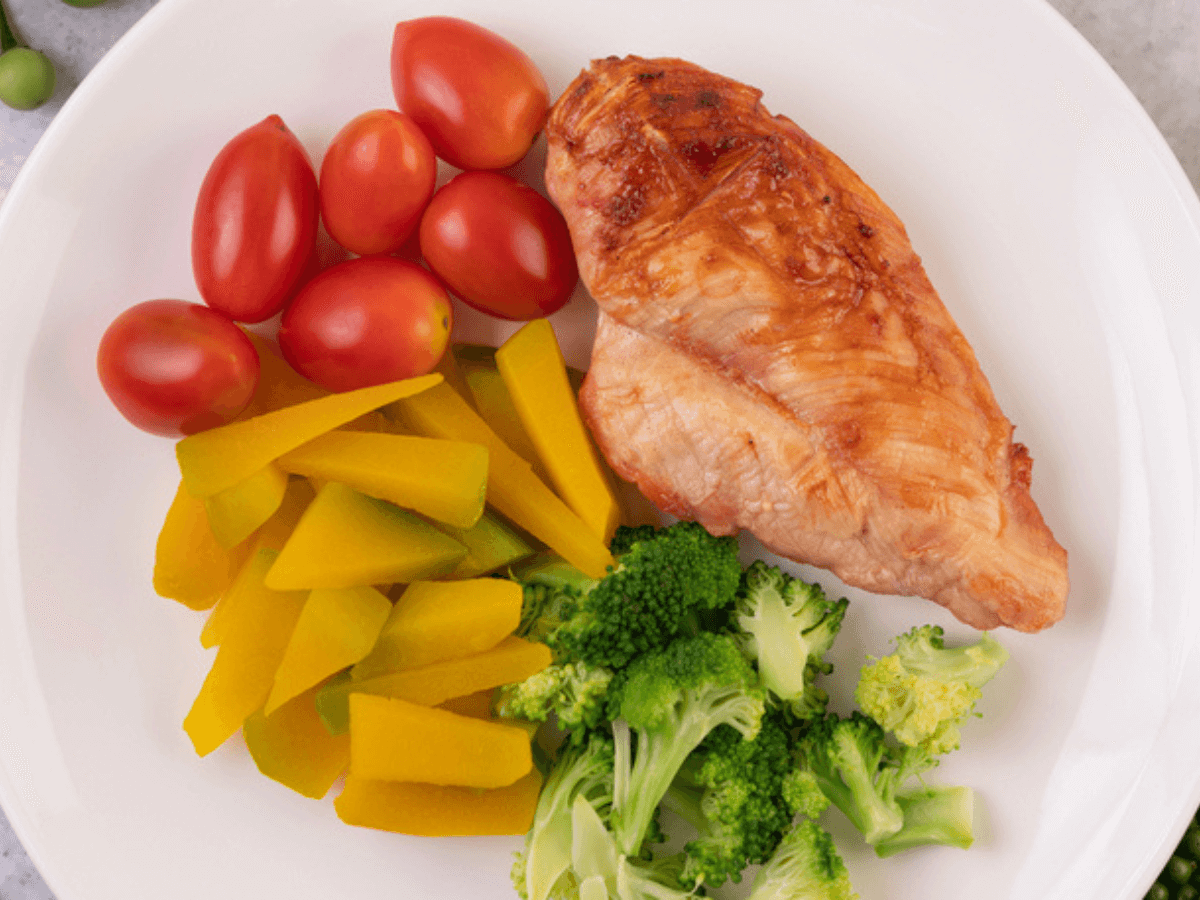
Animal protein, especially when consumed in large portions, can be acidic and contribute to calcium leaching from bones. That doesn’t mean you need to eliminate it entirely—just reframe it. Use protein as the side dish and let vegetables take center stage on your plate. Balance is key, and mindful portions protect your bone health without depriving you of variety.

Good digestion supports good nutrition, and that starts before the first bite. Take a few deep, calming breaths before eating to bring blood flow to your digestive system and signal your body that it’s time to absorb nourishment. When we rush meals or multitask, our bodies shift into stress mode, making digestion less effective. Elevated cortisol and insulin from stress also encourage weight gain and poor nutrient absorption. By slowing down, you not only enjoy your meal more—you also give your bones the best chance to benefit from the food you’re eating.

Chewing is an underrated step in digestion, but it makes a big difference in nutrient absorption. Carbohydrates, in particular, need to be broken down in the mouth, and thorough chewing gives your digestive system a head start. Try chewing each bite at least 10 times before swallowing—you’ll be surprised how flavors deepen and satiety increases. This small act helps your body make the most of the calcium and minerals in your meals. Think of your teeth as the first tools for better bone health.
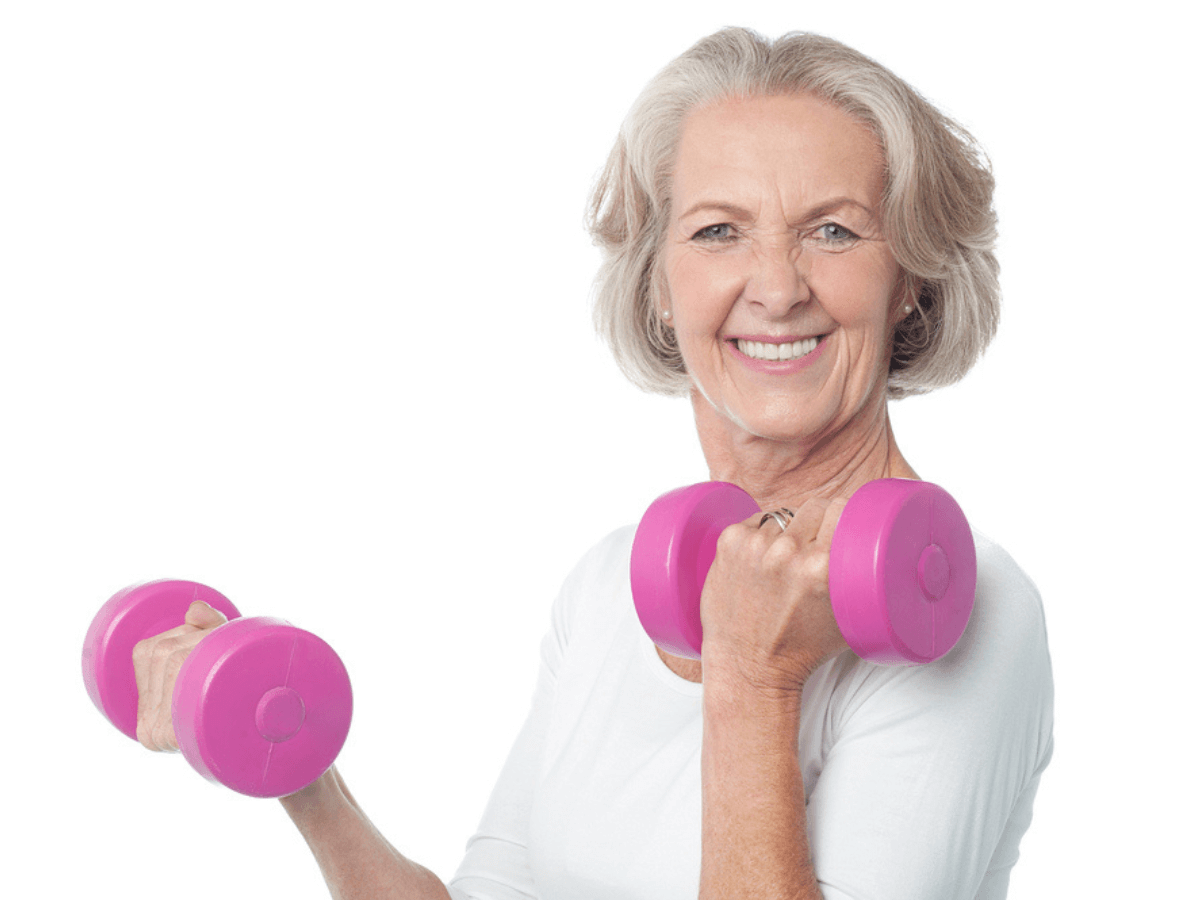
Strong bones depend on more than just food; they also need movement and resistance. Simple exercises like balancing on one leg or using light hand weights can improve bone density and stability. Try standing with one foot raised while doing arm curls or overhead presses with small dumbbells to challenge your body. If balance is tricky, use a wall for support and gradually build strength over time. These daily practices may seem simple, but they create long-term resilience for both bones and muscles.
When you are ready to move forward with your exercise find a local Onero weight lifting program. Studies confirm Onero builds bones.
Bone health is not a quick fix but a collection of small, intentional choices. From starting your day with lemon water to moving your body with weight-bearing exercise, each habit strengthens your foundation. These tips for bone health are easy to integrate into daily life, and over time they reduce the risk of osteoporosis and other bone-related issues. Better bone health is achievable—and it starts with the next choice you make.
Chicken soup has always been more than just a meal—it’s the ultimate comfort food when the flu takes hold. When I found myself battling body aches, chills, and fatigue, my first instinct was to head into the kitchen. What followed was a mix of homemade chicken stock, natural remedies, and a little humor to keep things light. This post is part recipe, part flu survival story—because sometimes the best medicine is a big pot of soup and a good laugh.

Chicken soup works its magic in simple but powerful ways. The hot broth keeps the body hydrated while easing congestion, and the vegetables bring an extra dose of vitamins and minerals when your immune system needs them most. I like to think of it as nutritional food for the flu disguised as comfort food, which makes it easier to sip and enjoy even when your appetite is low. On that particular winter day, every spoonful felt like a warm hug for my bones. And let’s be honest, when you’re wrapped in blankets with tissues piling up nearby, comfort is just as important as nutrients.
When the flu knocked on my door, it didn’t just tap politely—it barged in. My bones practically shouted “Uh-oh!” and I knew I needed to act fast. Off I went to the Farmers Market, picking up the freshest ingredients for chicken soup, then rushed home to let the pot do its magic while I collapsed on the couch. Between mugs of hot lemon water and the comforting smell of garlic and thyme drifting from the kitchen, I let myself escape into a Legally Blonde rerun. Elle Woods, with her pink phone and unshakable confidence, reminded me that a support system is everything—even when your team is just a pot of soup, a pile of tissues, and a blanket. Note to self: when you’re sick, skip the flu specials and stick with lighthearted comedies.
While chicken soup was the centerpiece of my recovery, it wasn’t the only thing on my list. I increased my fluids to nearly 80 ounces a day, alternating between water, herbal teas, elderberry syrup, and freshly juiced greens. Warm drinks like lemon water felt especially soothing on my throat and paired beautifully with bowls of steaming soup. I avoided sugar, focused on whole foods, and found comfort in simple, nourishing meals that didn’t require much effort. Together, these choices created a rhythm of healing, one that carried me gently through the worst of the flu.


That winter taught me the power of simple rituals—rest, fluids, and a pot of chicken soup simmering on the stove. Chicken soup may not cure the flu outright, but it makes the journey a little easier. Between the warmth of the broth, the nourishment of fresh ingredients, and the comfort of a familiar recipe, it became my constant companion through those achy, feverish days. Add a little humor, a few bad TV choices, and some much-needed rest, and I managed to find my way back to wellness. From my bones to yours, here’s to a season filled with comfort, health, and maybe just one more bowl of chicken soup.
Pelvic floor health is an essential part of women’s overall well-being, yet it is often overlooked until problems arise. The pelvic floor plays a critical role in balance, continence, posture, and long-term mobility. In her presentation to Irma Jennings’ osteoporosis community group, Dr. Molly Weingart explained how pelvic floor health supports women through all life stages, especially during aging.
Fun, lively, and full of takeaways — Dr. Weingart’s engaging delivery makes this interview a delight for everyone.
The pelvic floor is a complex system of muscles and tissues at the base of the pelvis that acts like a hammock supporting the bladder, uterus, and bowel. Its importance goes far beyond continence, influencing balance, stability, and circulation.
Core functions include:
Key insight: The pelvic floor works as part of a system with the diaphragm, abdominal, and back muscles, making breathing and posture vital for healthy function.
Pelvic floor dysfunction is more common than many realize and can significantly impact daily life. Dr. Weingart noted that pelvic organ prolapse affects 85–90% of her patients in some form.
Potential causes:
Common symptoms include:
Bulletproof reminder: Dysfunction is not a normal part of aging that must be tolerated — it can be managed and often reversed with the right care.
Pelvic floor physical therapy is a holistic approach that looks at posture, breathing, and muscle coordination alongside targeted exercises. It is more than Kegels, which are not suitable for everyone.
Therapy may include:
Important takeaway: Therapy is individualized. What works for one woman may not be right for another, which is why professional evaluation matters.
Menopause has a direct effect on pelvic floor health due to the natural decline in estrogen. Tissue changes can lead to discomfort, incontinence, and prolapse if not addressed.
Changes during menopause:
Supportive options:
Practical focus: Early management during menopause reduces complications later in life and helps preserve independence.
The pelvic floor is closely tied to the diaphragm, making breathing one of the simplest ways to improve pelvic health. Proper breathing supports coordination, relaxation, and balance.
Breath work benefits:
Bulletproof tip: Combine breath-focused exercises with gentle core activation for maximum pelvic support.
Pelvic floor care extends beyond therapy into everyday lifestyle choices. Dr. Weingart emphasized that self-care, awareness, and activity are crucial for long-term function.
Practical self-care tools:
Focusing on pelvic floor health is an investment in balance, strength, and aging well. Women who pay attention to these muscles enjoy greater independence, less discomfort, and improved confidence.
Final reminders:
Pelvic floor health is not just about continence — it is about living fully, aging gracefully, and maintaining confidence at every stage of life.
Discover how detox strategies can reduce chronic illness, inflammation, and fatigue naturally.

Feeling tired, inflamed, or just not yourself lately? It might be more than stress or aging. Detox could be what your body needs to feel better.
More people today are being diagnosed with chronic illnesses and autoimmune conditions. But according to Dr. Aly Cohen, a triple board-certified rheumatologist, the cause isn’t always just in your genes—it’s also in your environment.
In her book Detoxify, Dr. Cohen breaks down how chemicals in everyday items—like water, food, shampoo, cleaning products, and even air—can quietly build up in your body and wear down your immune system. The result? Fatigue, inflammation, and a range of long-term health issues.
Instead of pushing complicated regimens or expensive cleanses, Detoxify offers practical, science-based advice you can actually use.
With over 20 years of experience, Dr. Cohen explains how to take simple steps to reduce toxic exposure—no matter your budget or lifestyle. You’ll learn what to avoid, what to swap, and how to give your body the support it needs to feel stronger and more resilient.
Detoxing isn’t just about clearing your skin or boosting your energy. Dr. Cohen also highlights how toxins can affect your bone health—something many people overlook.
You don’t need to overhaul your entire routine overnight. Here are some manageable detox tips from Dr. Cohen:
This book is more than just information—it’s a hands-on guide that includes:
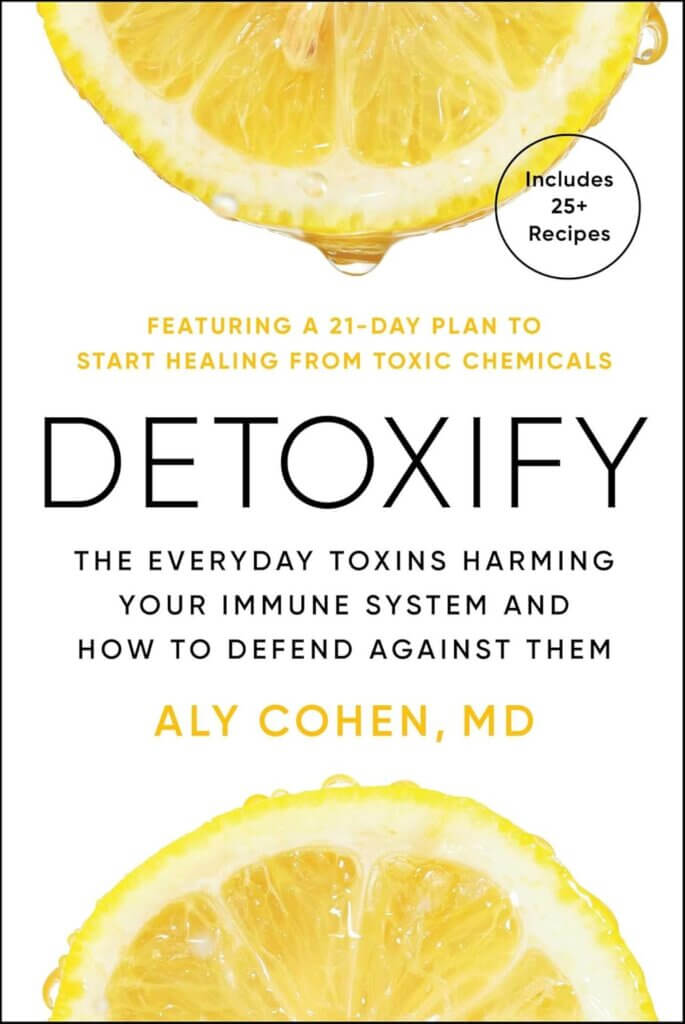
If you’re ready to take control of your health, start with one small change today. Filter your water. Check your shampoo label. Swap one cleaning product. Small steps add up.
Get your copy of Detoxify here 👉 [Amazon Link]
If you found it helpful, leaving a review supports voices that value science and transparency.
Knowledge is power. Detox isn’t a trend—it’s a tool. Use it to support your body, your bones, and your future.