Understanding CTx and P1NP - Key Bone Markers

Written by
Irma Jennings, INHC
Uploaded
November 17


C-terminal cross-linked telopeptide (CTx) and procollagen type 1 N-terminal propeptide (P1NP) are key bone turnover markers in managing Osteoporosis. Below I have identified what they are and how they are used.
CTx, short for C-terminal telopeptide, is a biochemical marker used to assess bone resorption, the process by which bone is broken down and minerals are released into the bloodstream. Specifically, CTx measures fragments of type I collagen, which is a major protein found in bone. When bone is resorbed, these fragments are released into the blood and can be detected as an indicator of bone turnover.
Generally, a baseline CTx measurement is taken before treatment, and follow-up measurements are done to monitor changes and adjust treatment if necessary.
The best time to perform a CTx test is typically in the morning, while fasting. CTx levels can fluctuate throughout the day and are influenced by food intake, so fasting overnight and testing early in the morning helps ensure consistent and reliable results.
Following these guidelines ensures reliable CTx results, providing a clearer understanding of bone health and treatment effectiveness.
Additionally, P1NP (Procollagen Type 1 N-Terminal Propeptide) is a key marker of bone formation. It reflects the activity of osteoblasts—cells responsible for creating new bone. When new collagen (type I) is formed, P1NP is released into the bloodstream, making it a valuable indicator of the bone formation rate.
P1NP testing does not require fasting and can generally be done at any time of the day. Unlike CTx, P1NP levels do not have significant diurnal variation, making it a more flexible test in terms of timing.
I typically get both tests done together.
This flexibility allows healthcare providers to monitor bone formation without the strict timing constraints required for CTx.
👉 Like CTx, P1NP is often measured before starting treatment and then periodically to track changes, allowing for adjustments to treatment plans based on bone health needs.
These tests validate the effectiveness of strategies aimed at improving bone health and preventing fractures.

Six Do's and Six Don'ts When Talking to Your Doctor about Osteoporosis
Do's:
Don'ts:
Treatment Decisions:
Why I Switched from Coffee to Matcha (And Why You Should Too)
I’ve officially slowly ending my relationship with coffee. Yep, we’re done. But don’t worry—I’ve found a new love: matcha tea. And let me tell you, things are getting pretty serious.
What is Matcha? If you haven’t heard, matcha is the cool, zen cousin of regular green tea. This traditional Japanese green tea has been around for centuries (thanks, Buddhist monks!). It’s not only a staple of Japanese tea ceremonies but also your next secret weapon for better health. With matcha, you’re not just sipping tea—you’re drinking powdered tea leaves packed with antioxidants.
Matcha isn’t just a pretty green drink—it’s like a wellness powerhouse. Matcha tea benefits include lowering stress, improving memory, and giving you that perfect energy boost without the jitters (sorry, coffee). It’s also loaded with L-theanine and EGCG (superhero antioxidants), which make it a total brain and body booster.
Oh, and in case you're wondering—mice love it too. Studies show they got better at mazes after sipping matcha. I’m not a mouse, but I think I’m navigating life better with it!
Making matcha green tea is like a fun little ceremony every morning:
In just a small serving of matcha, you’re getting a boatload of benefits:
Why Matcha Stole My Heart (and My Mornings): After finding out that coffee doesn’t like me back (food allergies—boo!), I needed a caffeine fix. Enter matcha tea—a smooth, calming, and energizing alternative. It’s like coffee without the drama. And whisking it up every morning? Let’s just say it’s become my new zen ritual.
Top Health Benefits of Matcha:
Matcha is basically a superfood in your cup. So, if you’re on a coffee break, or just looking to add a little more harmony and health into your life, give matcha a try. You won’t regret it!
I use organic Matcha, which I find at health food stores.
Or Amazon
CLICK HERE for my printable more detailed version
From my bones to yours,
Irma Jennings, INCH
Osteoporosis Patient Navigator
In 2024, as 4.1 million Americans turn 65, many will face a daunting diagnosis: osteoporosis. But what if there was a way to not just manage this condition, but to actually rebuild bone strength? Recent research and an innovative program called Onero are challenging traditional approaches and offering new hope for those with low bone density.
For years, doctors have recommended low-intensity activities like walking, swimming, and light resistance training for osteoporosis patients. However, according to Dr. Belinda Beck, a leading bone health researcher, these activities fall short of stimulating new bone growth.
"Bone is a 'use it or lose it' tissue," Dr. Beck explains. "It requires significant loading and overload to adapt and become stronger."
Dr. Beck and her team developed the Onero program based on groundbreaking research showing that high-intensity, supervised resistance and impact training can significantly improve bone density and strength, even in those with low bone mass.
Rigorous randomized controlled trials have demonstrated impressive outcomes for Onero participants:
Recognizing the need to make this effective program accessible, Dr. Beck opened the Bone Clinic in Australia. The results speak for themselves:
Dr. Beck is now licensing the Onero program to qualified exercise professionals worldwide, including in the United States. She encourages individuals to:
Irma Jennings, an osteoporosis patient navigator, emphasizes the transformative potential of Onero: "This program is changing lives. It's showing us that osteoporosis doesn't have to mean a future of fractures and disability."
To provide deeper insight into the Onero program and address common questions, we've included an informative Q&A session with Dr. Belinda Beck.
In this video, Dr. Beck discusses the science behind high-intensity resistance training for osteoporosis, the safety measures in place, and how the program can be tailored to individual needs. Watch the video below to learn more about how Onero can help you rebuild bone strength and improve your overall bone health.
The Onero program demonstrates that high-intensity, supervised exercise can rebuild bone strength and reduce fracture risk. By making this program more widely available, we can empower those with low bone density to take control of their health and overcome this challenging condition.
Remember: Always consult with your healthcare provider before starting any new exercise regimen, especially if you have been diagnosed with osteoporosis or low bone density.
Dealing with osteoporosis can be challenging. It's a condition that makes our bones weak and more likely to break. That's why I'm excited to share a video from a webinar I hosted featuring Dr. Sherri Betz, a physical therapist. In "EXERCISE: Osteoporosis Exercise with Dr. Sherri Betz, PT," she offers easy-to-follow advice for keeping bones strong and healthy.
Dr. Betz shows us that you don't need fancy gym equipment to stay fit. With things like a broomstick and a file box, you can do exercises that improve your balance, movement, and strength. She explains how to do exercises like deadlifts and squats with good form, using a barbell in a way that's safe and helpful.
Based on Dr. Betz’s recommendations, here are some tools that can help:
For more details about Dr. Betz, visit her websites, Dr. Sherri Betz and Therapilates, or reach her at sherri@therapilats.com. For additional tips on bone health, don’t forget to check out my website, wordpress-771446-5103601.cloudwaysapps.com.
Please remember, this webinar is for informational purposes only. It's not a substitute for professional medical advice from a doctor.
I hope you find the exercises shared in this webinar helpful for your bone health. Incorporating Dr. Betz's advice into your daily routine can make a big difference.
Don't forget to like this video on my channel and subscribe for more helpful content. And if you're interested in the exercise tools recommended by Dr. Betz, you can find them through the provided links.
Osteoporosis can be a complex and challenging condition. That's why I’m eager to share a video from my channel featuring R. Keith McCormick, DC, where we dive into a case study of Emma, focusing on her journey with low TSH, menopause difficulties, and digestive issues. This case study offers valuable insights into the nuances of bone health.
In our discussion, we cover several key aspects:
This comprehensive case study with Dr. McCormick sheds light on the complexities of osteoporosis. We discuss how nutrition plays a significant role in bone health and the importance of personalized strategies for managing bone loss.
Emma's story is a beacon of hope and clarity for those navigating the complexities of osteoporosis. It highlights the need for thorough understanding and personalized care in managing this condition.
I encourage you to watch the full video on my channel for a deeper understanding and subscribe for more insightful conversations about bone health.
For more resources on bone health, visit my website at wordpress-771446-5103601.cloudwaysapps.com.
As someone deeply committed to improving bone health, I am excited to share insights from my YouTube channel about the Marodyne LiV device. This video, featuring expert Ian Cutts and myself, is a treasure trove of information for anyone interested in natural and effective treatments for osteopenia or osteoporosis.
Our discussion covers key topics to give you a full understanding:
We delve into the groundbreaking research of Clinton Rubin, Ph.D., which reveals how Low-intensity Vibration (LiV) can stimulate musculoskeletal tissues and suppress fat formation. His findings indicate that two daily doses of LIV treatments are more beneficial and practical than one.
The Marodyne LiV device is distinct from other vibration plates often found in gyms and spas. Designed for daily use, it offers low-intensity vibration that supports muscles and encourages mesenchymal stem cells to convert into osteoblasts (bone-building cells) instead of fat cells.
Low-intensity vibration has been extensively studied over the past decade, particularly in its impact on bone health. It promotes bone formation while influencing bone resorption, maintaining a crucial balance essential for healthy aging.
Studies show that users of the Marodyne LiV device experience stronger legs, better balance, fewer falls, and fewer associated fractures. Notably, among women, the use of the Marodyne LiV device led to a increase in bone mineral density in the upper femur region.
The Marodyne LiV device is a groundbreaking tool in the fight against osteoporosis and osteopenia. It stands as a testament to the power of innovative technology in improving our health and quality of life.
Your investment: $3200.00
🍎 To purchase/receive your $200 discount, bringing price to $3000 (+ shipping) please send an email to Ian@copaHealth.us and copy irma@food4healthybones.com
For more information on the Marodyne LiV device, please visit the Marodyne website or contact Ian Cutts and Irma.
Remember to watch the full video on my channel for a comprehensive understanding and subscribe for more updates on bone health.
The 3D Shaper Technology emerges as a game-changing solution to combat the silent yet debilitating threat of osteoporosis, a bone disease that has long been a significant concern for millions worldwide. Accurate diagnosis and monitoring of bone health have been paramount in combating this condition.
3D Shaper views the hip only. Not the spine.
This chronic condition weakens bones over time, making them fragile and susceptible to fractures. The consequences of osteoporosis can be severe, leading to a diminished quality of life, increased risk of disability, and substantial healthcare costs. Early detection and effective management are crucial in mitigating the impact of this disease. Enter the 3D Shaper Technology, a revolutionary advancement that promises to transform the way we approach osteoporosis diagnosis and treatment.

Developed by 3D Shaper Medical, a Barcelona-based company, this cutting-edge technology takes the standard 2D DEXA scan and recreates the hip bone in a remarkable 3D representation. This groundbreaking approach enables the extraction of valuable information about the cortical (hard outer shell) and trabecular (soft inner surface) compartments of the bone – aspects often overlooked by traditional DEXA scans.
By leveraging advanced imaging techniques and statistical models, the 3D Shaper Technology can morph a generic template to create a patient-specific 3D model of the hip bone. This process involves registering the template against the patient's 2D DEXA scan and adjusting its parameters until a perfect alignment is achieved, resulting in an accurate 3D representation. With this innovative technology, healthcare professionals gain unprecedented insights into the intricate details of bone structure and density distribution.
The 3D Shaper Technology offers a fast, safe, and cost-effective method for assessing bone density and visualizing local changes in the cortical and trabecular compartments, addressing the limitations of DEXA alone. By providing a detailed analysis of the bone's individual compartments, it empowers healthcare professionals to tailor treatment plans and medication choices to each patient's unique needs. This personalized approach is particularly crucial when considering powerful osteoporosis medications, ensuring the most effective treatment is prescribed from the outset.
The ability to assess the cortical and trabecular compartments independently allows for a more nuanced understanding of bone health. Clinicians can identify local fragilities or discrepancies between the two compartments that may have been overlooked by conventional DEXA scans. Armed with this knowledge, they can make informed decisions about the appropriate course of action, whether it involves initiating treatment with a specific medication or adjusting an existing regimen.
One of the key advantages of this technology lies in its ability to monitor treatment progress with enhanced accuracy. While DEXA scans may show minimal changes in bone mineral density, the 3D Shaper can detect significant improvements or declines in the cortical and trabecular compartments – invaluable insights that can inform decisions to adjust or continue a treatment regimen. Moreover, the 3D Shaper Technology has proven its versatility in assessing the impact of various diseases and medications on bone health.
From chronic kidney disease to breast cancer treatments, this innovative tool offers a comprehensive understanding of how these conditions and therapies affect the intricate components of bone structure. By separating the cortical and trabecular compartments, clinicians can identify specific areas of concern and tailor interventions accordingly, maximizing treatment efficacy and minimizing potential side effects.
While the 3D Shaper Technology is still in its early stages of adoption in the United States, its potential to revolutionize osteoporosis diagnosis and management is undeniable. As more healthcare facilities embrace this cutting-edge solution, patients will benefit from personalized care, tailored treatment plans, and a newfound hope in the battle against this debilitating condition.
The technology's ability to provide individualized assessments and precise monitoring empowers healthcare professionals to make well-informed decisions, ultimately improving patient outcomes. In the words of Irma Jennings, an osteoporosis patient navigator who presented the 3D Shaper Technology, "This is important to get out there." Indeed, the future of osteoporosis care has taken a remarkable stride forward, and the 3D Shaper Technology stands as a beacon of hope for millions seeking a better understanding and more effective management of this complex disease.
The role that diet plays is often the focus of the pursuit of optimal health. This article explores the significance of Omega-3 fats—found primarily in fish oil—for maintaining strong bones, an aspect that is frequently disregarded. We hope to assist you in selecting and choosing the best supplements as we examine the advantages and nuances of fish oil supplements. Learn about the importance of Omega-3 fats for bone health, the best way to select fish oil supplements that meet your needs, and more.
Skelley (the skeleton that lives in us all) and I often talk about getting calcium and other minerals to make your bones as strong as can be.
But it’s not that simple…
There’s another super nutrient you must get to make those minerals work.
I’m talking about FAT.
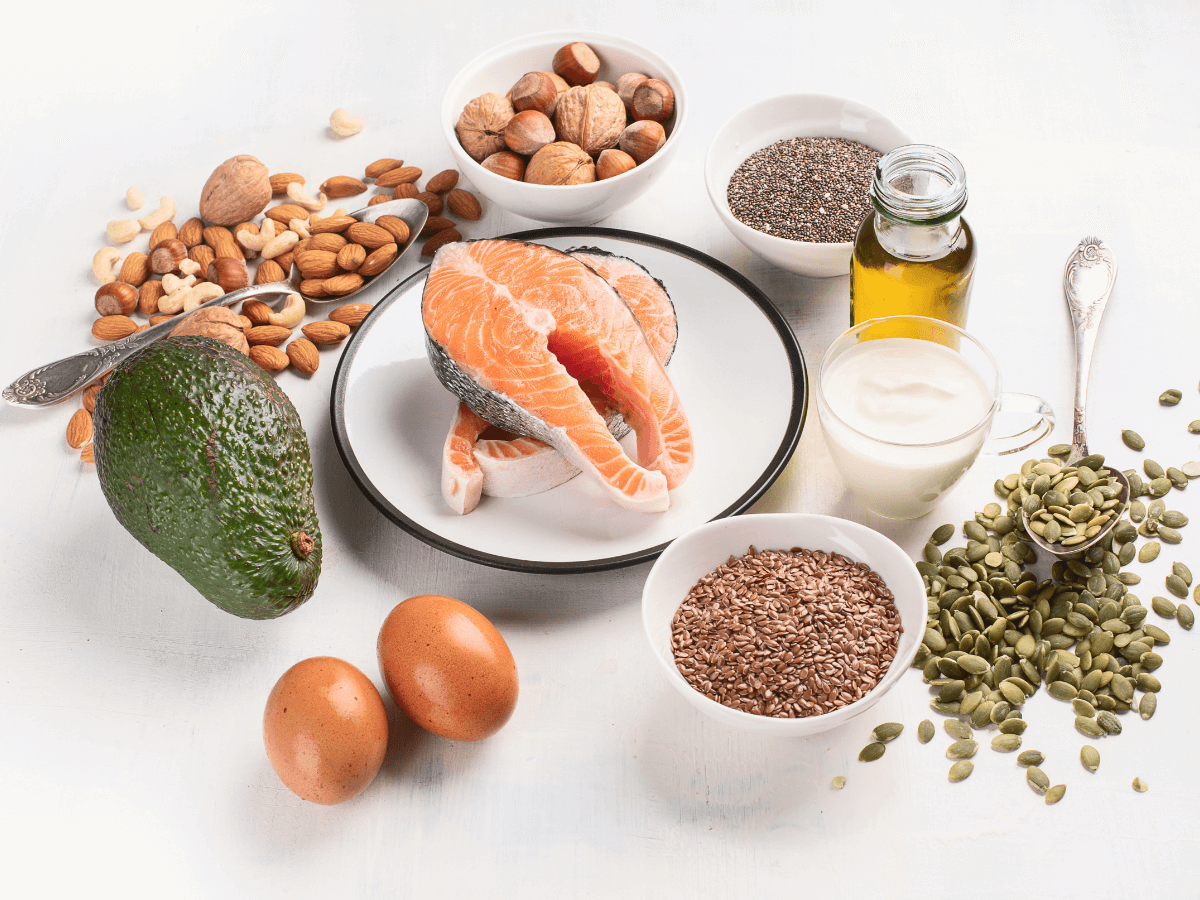
Now, fat has gotten a bad rap since the 1970s when the low-fat craze took over the world. But the truth is that healthy fats are vital for strong bones. You see, when it comes to bones, essential fatty acids like omega-3s are just that – essential. And you have to get them from your food.
Fats in general build a strong skeleton by increasing the amount of calcium that gets into your bones. They also help your body hold on to calcium by reducing the amount that gets excreted in your urine.
Fats are also essential components in cartilage and bone. They boost collagen which improves bone strength. And they transport and absorb bone-building vitamins like K2, D, and A.
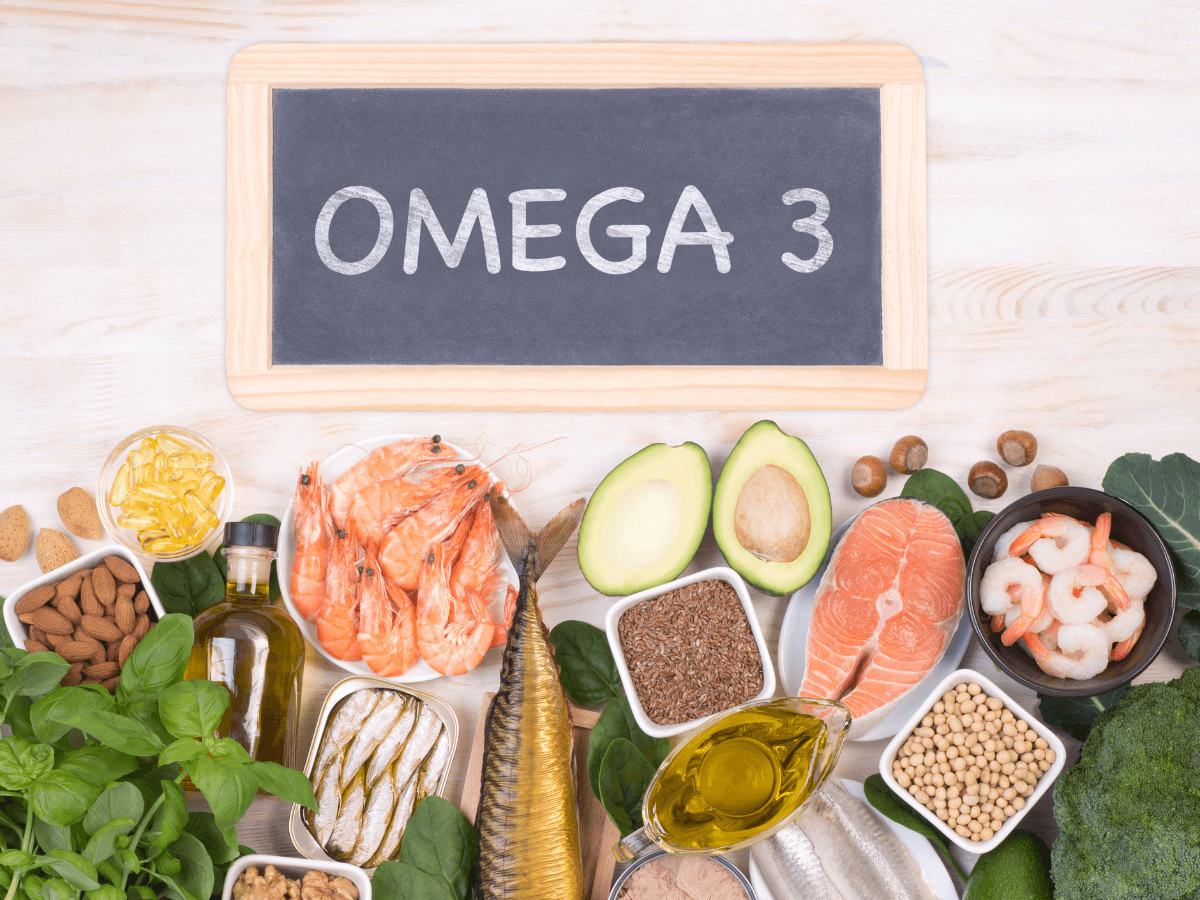
Omega-3 fats are particularly bone-friendly. They inhibit the formation of osteoclasts, the cells that break down bone. At the same time, they increase osteoblasts, the cells that build bone. And they reduce the inflammation that may break down bone.[i]
You can get plenty of omega-3 fats from your diet. The best sources are wild-caught fatty fish like salmon. But it has to be wild. Farmed salmon is much fattier than wild salmon, but it contains FAR LESS healthful omega-3 fat and less protein.
Other small cold-water fish are great choices like herring, mackerel, anchovies, and sardines. You can also get a healthy amount of omega-3 fats from pastured eggs or grass-fed beef (but not conventional beef).
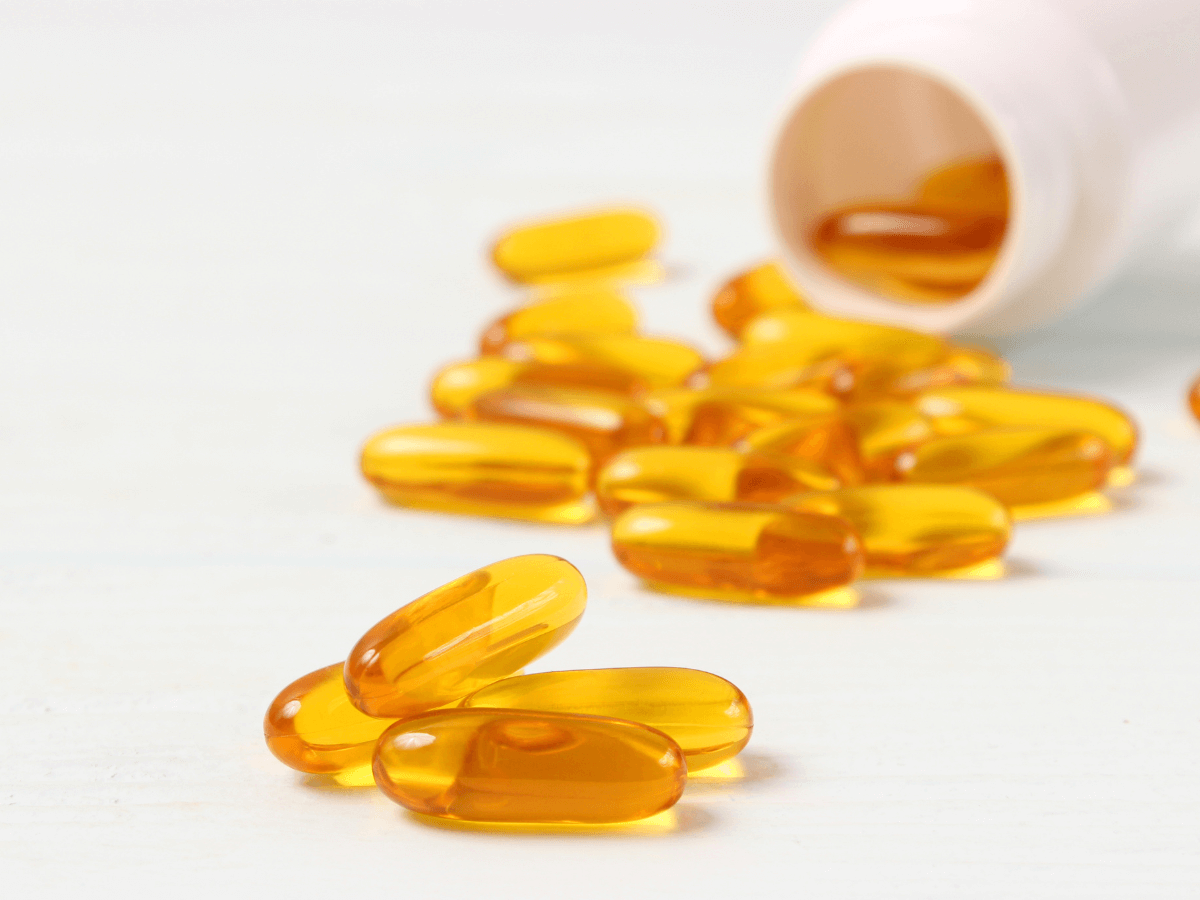
I find that many of my clients – for whatever reason – are not getting enough omega-3s from their food. Many of them need to take a supplement.

A good rule of thumb is to try to get at least 1,000 milligrams of omega-3s every day. Look for a supplement that gives you at least 600 mg from DHA and 400 mg from its EPA. They are the two major types of omega-3s.
And look for a good quality fish oil supplement. That’s not always easy. According to Dr. Bryan Haycock, a research expert in supplements, it’s the “wild west” when it comes to the supplement industry. Dr. Haycock holds a Ph.D. in exercise physiology and has worked in the dietary supplement industry for more than 15 years. He teaches at the University of Utah's department of Nutrition and Integrative Physiology. And he co-wrote the book “Dietary Supplements.”
Dr. Haycock points out that unlike drugs, the FDA doesn’t approve the safety or efficacy of supplements before they hit the stores. If there’s a safety question, the FDA can take a supplement off the market but that’s rare.
So, buyer beware!
When choosing a brand, you can’t really expect that one company has better fish oil than another. According to Dr. Haycock, there are only a few large companies in the world that produce fish oil. They supply all the brands you find at your health food store or online.
The best thing you can do is find a company that you trust and has a good reputation. Look for a brand that doesn’t use a lot of additives and fillers. And one that follows “good manufacturing practices” or GMP.
A good way to know if a supplement is high quality is to become a member of ConsumerLab.com. They are an independent lab, test a wide range of supplements, and are my go-to for supplement information. They make sure that the ingredients on the label are actually in the bottle. They do significant research on all kinds of supplements.
And don’t think that prescription fish oil is any better than supplements. Drug companies buy from the same fish oil suppliers as supplement companies according to Dr. Haycock. But the prescription form might be covered by your insurance whereas the supplement probably won’t be.
Thank you for your time.
Navigating an osteoporosis diagnosis can be challenging, especially when medication seems like the only option presented by your doctor. If you're looking for clarity and alternative ways to manage your condition, we're here to help.