Osteoporosis Insights: Emma’s Case Study and Health Journey

Written by
Irma Jennings, INHC
Uploaded
July 17


Osteoporosis can be a complex and challenging condition. That's why I’m eager to share a video from my channel featuring R. Keith McCormick, DC, where we dive into a case study of Emma, focusing on her journey with low TSH, menopause difficulties, and digestive issues. This case study offers valuable insights into the nuances of bone health.
In our discussion, we cover several key aspects:
This comprehensive case study with Dr. McCormick sheds light on the complexities of osteoporosis. We discuss how nutrition plays a significant role in bone health and the importance of personalized strategies for managing bone loss.
Emma's story is a beacon of hope and clarity for those navigating the complexities of osteoporosis. It highlights the need for thorough understanding and personalized care in managing this condition.
I encourage you to watch the full video on my channel for a deeper understanding and subscribe for more insightful conversations about bone health.
For more resources on bone health, visit my website at wordpress-771446-5103601.cloudwaysapps.com.
The 3D Shaper Technology emerges as a game-changing solution to combat the silent yet debilitating threat of osteoporosis, a bone disease that has long been a significant concern for millions worldwide. Accurate diagnosis and monitoring of bone health have been paramount in combating this condition.
3D Shaper views the hip only. Not the spine.
This chronic condition weakens bones over time, making them fragile and susceptible to fractures. The consequences of osteoporosis can be severe, leading to a diminished quality of life, increased risk of disability, and substantial healthcare costs. Early detection and effective management are crucial in mitigating the impact of this disease. Enter the 3D Shaper Technology, a revolutionary advancement that promises to transform the way we approach osteoporosis diagnosis and treatment.

Developed by 3D Shaper Medical, a Barcelona-based company, this cutting-edge technology takes the standard 2D DEXA scan and recreates the hip bone in a remarkable 3D representation. This groundbreaking approach enables the extraction of valuable information about the cortical (hard outer shell) and trabecular (soft inner surface) compartments of the bone – aspects often overlooked by traditional DEXA scans.
By leveraging advanced imaging techniques and statistical models, the 3D Shaper Technology can morph a generic template to create a patient-specific 3D model of the hip bone. This process involves registering the template against the patient's 2D DEXA scan and adjusting its parameters until a perfect alignment is achieved, resulting in an accurate 3D representation. With this innovative technology, healthcare professionals gain unprecedented insights into the intricate details of bone structure and density distribution.
The 3D Shaper Technology offers a fast, safe, and cost-effective method for assessing bone density and visualizing local changes in the cortical and trabecular compartments, addressing the limitations of DEXA alone. By providing a detailed analysis of the bone's individual compartments, it empowers healthcare professionals to tailor treatment plans and medication choices to each patient's unique needs. This personalized approach is particularly crucial when considering powerful osteoporosis medications, ensuring the most effective treatment is prescribed from the outset.
The ability to assess the cortical and trabecular compartments independently allows for a more nuanced understanding of bone health. Clinicians can identify local fragilities or discrepancies between the two compartments that may have been overlooked by conventional DEXA scans. Armed with this knowledge, they can make informed decisions about the appropriate course of action, whether it involves initiating treatment with a specific medication or adjusting an existing regimen.
One of the key advantages of this technology lies in its ability to monitor treatment progress with enhanced accuracy. While DEXA scans may show minimal changes in bone mineral density, the 3D Shaper can detect significant improvements or declines in the cortical and trabecular compartments – invaluable insights that can inform decisions to adjust or continue a treatment regimen. Moreover, the 3D Shaper Technology has proven its versatility in assessing the impact of various diseases and medications on bone health.
From chronic kidney disease to breast cancer treatments, this innovative tool offers a comprehensive understanding of how these conditions and therapies affect the intricate components of bone structure. By separating the cortical and trabecular compartments, clinicians can identify specific areas of concern and tailor interventions accordingly, maximizing treatment efficacy and minimizing potential side effects.
While the 3D Shaper Technology is still in its early stages of adoption in the United States, its potential to revolutionize osteoporosis diagnosis and management is undeniable. As more healthcare facilities embrace this cutting-edge solution, patients will benefit from personalized care, tailored treatment plans, and a newfound hope in the battle against this debilitating condition.
The technology's ability to provide individualized assessments and precise monitoring empowers healthcare professionals to make well-informed decisions, ultimately improving patient outcomes. In the words of Irma Jennings, an osteoporosis patient navigator who presented the 3D Shaper Technology, "This is important to get out there." Indeed, the future of osteoporosis care has taken a remarkable stride forward, and the 3D Shaper Technology stands as a beacon of hope for millions seeking a better understanding and more effective management of this complex disease.
In our recent webinar, Dr. Mike Lewiecki, an esteemed osteoporosis expert, shared his insights on bone health, directly addressing queries from Irma Jennings' community. This blog post provides a comprehensive recap of the webinar, reflecting the crucial points discussed by Dr. Lewiecki in a straightforward and informative manner.
Before diving into the specific topics discussed, it's essential to acknowledge the importance of disseminating accurate and up-to-date information about osteoporosis and bone health. Osteoporosis, often a silent condition until a fracture occurs, affects millions worldwide and has significant health and quality of life implications. With evolving research and treatment options, staying informed through expert insights like those from Dr. Lewiecki is crucial for patients, healthcare providers, and caregivers. This session aimed to bridge knowledge gaps, debunk common myths, and provide clarity on modern approaches to managing and treating osteoporosis.
Dr. Lewiecki emphasized the significance of DXA scans as the gold standard in bone density measurement, while acknowledging the emergence of new technologies like Echolight. He pointed out that DXA is especially accurate in determining bone strength, but in older adults, spine density readings might be misleading due to arthritis. The webinar also touched upon the potential of Echolight, an ultrasound technology, which is still in early stages of correlation with DXA results, highlighting the need for further research in this area.
A key focus of the discussion was on the assessment of fracture risks. Dr. Lewiecki highlighted that previous fractures, particularly those occurring in adulthood, serve as strong indicators of future fracture risks, with unexplained height loss possibly signaling unnoticed spinal fractures. Additionally, the FRAX calculator's role in estimating the 10-year probability of major osteoporotic and hip fractures based on individual clinical risk factors was discussed, noting its integration into many DEXA machines.
The session delved into the use of osteoporosis medications. Dr. Lewiecki described the benefits of anabolic drugs like Forteo, Tymlos, and Evenity for patients at high fracture risk, followed by the recommendation of anti-resorptives like Prolia or Reclast. A critical aspect addressed was the bone density loss associated with transitioning from prolonged Prolia use to other drugs. Another point of discussion was the unique feature of bisphosphonates like Fosamax, which offer the possibility of "drug holidays" after long-term use, a benefit not shared by other osteoporosis medications.
Throughout the webinar, Dr. Lewiecki stressed the importance of maintaining adequate calcium and vitamin D intake while undergoing osteoporosis treatment, suggesting a target vitamin D level of 30-50 ng/mL. He also discussed the role of hormone therapy in alleviating menopausal symptoms, cautioning that its dosage might not be sufficient for bone protection, thus recommending monitoring bone turnover markers. Lastly, the link between diabetes and an increased fracture risk was examined, indicating the potential need for more aggressive osteoporosis management in diabetic patients.
Dr. Michael Lewiecki, MD, a leading osteoporosis expert and director at New Mexico Clinical Research & Osteoporosis Center and Bone Health ECHO at the University of New Mexico, engages audiences with his accessible approach to complex medication questions. With vast experience in osteoporosis, metabolic bone diseases, and bone density studies, he has contributed to over 350 publications and has been a principal investigator in numerous clinical trials. Dr. Lewiecki is recognized globally for his work, holding past presidencies in major societies and receiving prestigious awards like the ISCD Global Leadership and Lawrence G. Raisz Memorial Lecture Awards.
This post aims to clearly convey the insights shared by Dr. Mike Lewiecki in our recent webinar. By presenting the topics in a factual and accessible format, we hope to empower our readers with valuable knowledge, assisting them in making informed decisions about their bone health and osteoporosis treatment.
Bone health is a critical aspect of our overall well-being, and DEXA scans are at the forefront of assessing it accurately. In a special video on my channel, alongside Dr. Keith McCormick, we delve into everything you need to know about DEXA scans – from their importance in diagnosing osteoporosis to common pitfalls you should be aware of.
Our webinar covers a range of topics to give you a complete picture:
This video is essential for anyone seeking a deeper understanding of bone density testing. It’s not just about the numbers; it’s about comprehending what they mean for your bone health journey.
DEXA scans are more than just a diagnostic tool; they are a window into the health of your bones. I hope this video gives you the knowledge and confidence to navigate your bone health more effectively.
Feel free to watch the full video on my channel for a comprehensive understanding, and subscribe for the latest insights on bone health. If you want personalized advice, book your complimentary 30-minute consultation with me by clicking this LINK.
Explore more about bone health on our website at wordpress-771446-5103601.cloudwaysapps.com.
Article reposted with permission from Dr. Lani Simpson: https://lanisimpson.com/blogs/news
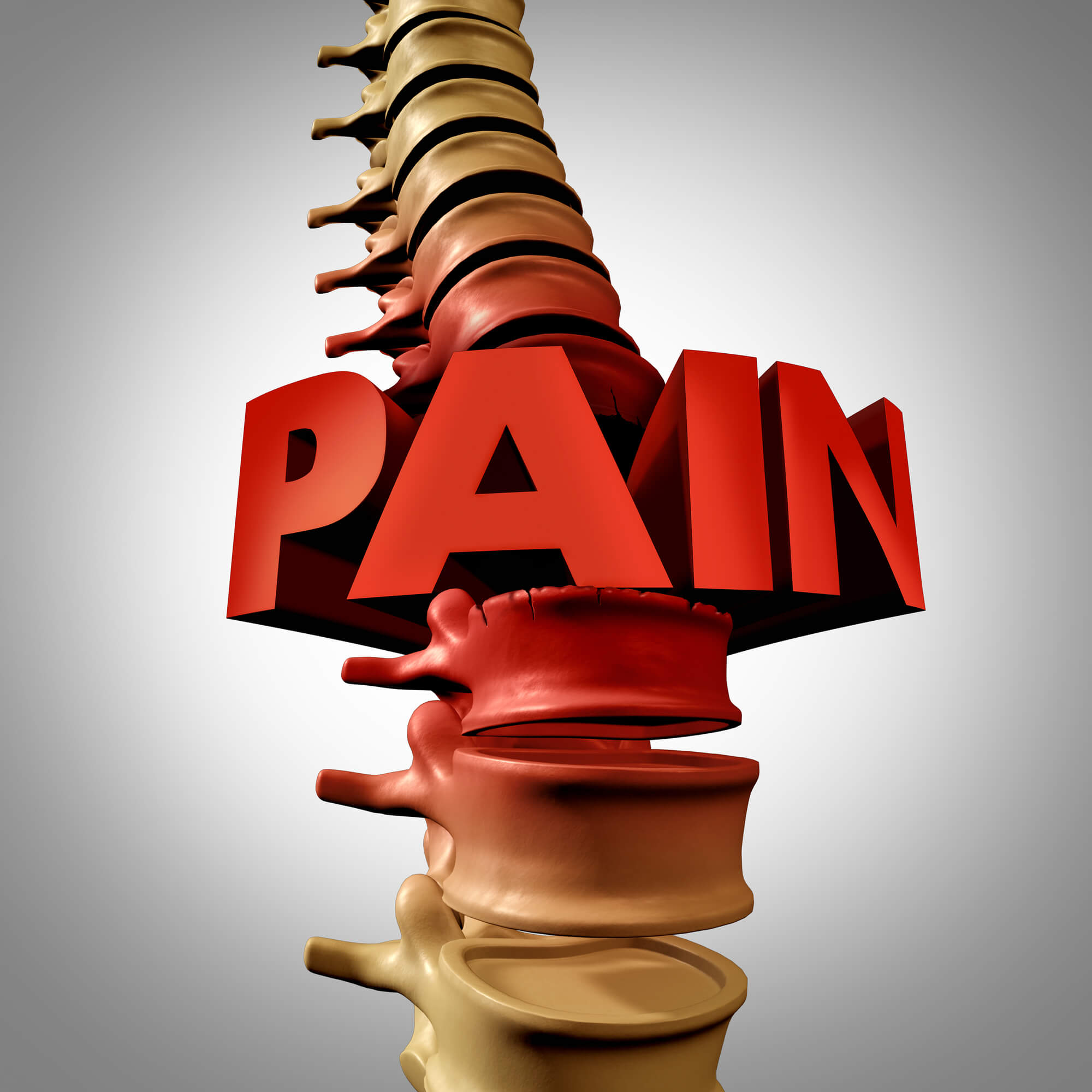
• Fractures can be a sign of poor bone health, even though they are a common occurrence.
• Bones are living tissue that require a balance between resorption and formation to remain healthy.
• Factors that can contribute to poor bone health include age, gender, genetics, nutrition, and lack of physical activity.
• Osteoporosis is a common condition that can lead to weakened bones and an increased risk of fractures, particularly in older women.
• Maintaining good bone health throughout life is important to prevent fractures and other bone-related problems.
• Tips for maintaining good bone health include getting enough calcium and vitamin D, engaging in weight-bearing exercises, and avoiding smoking and excessive alcohol consumption.
• Regular bone density screenings can help assess one's risk of fractures.
Fractures and Bone Health. Trauma fractures result from the direct, physical impact of an event such as tumbling off a ladder, being injured in a car accident, or falling while playing pickleball.
Unlike osteoporosis-related fractures, trauma fractures are not necessarily associated with an underlying weakness in the bones. They occur because the bones cannot withstand the amount of force exerted on them by the trauma event. Doctors and patients need to determine whether or not the health of the bone was adding to the extent of the fracture.
The fact that trauma was involved does not necessarily mean the bone is healthy.
if you have any fractures of significance, you should get a bone density test (DXA).
Of course, there are gray areas. Osteoporosis may predispose some individuals to fracture a bone with less trauma than would be expected. It's important to tease out the details of any activities or life events that result in a fracture and bone health issues. This information can influence medical decisions and life activities.
Stress fractures are generally classified in the trauma category because the repetitive pounding of an activity. For example, running causes physical stress that can produce hairline breaks over time. But a stress fracture can also be a red flag for low bone density or poor bone quality (TBS test). It’s one thing if a stress fracture occurs in a person who trains for and runs a marathon. There could be other problems if it happens after a long walk.
Stress fractures are not always visible on x-rays. An MRI or CT scan may be required for confirmation. Seek this type of assessment if it seems the area in question has not healed after three to four weeks. If you or someone in your life experiences repeated stress fractures (or a fracture that seems to be of questionable origin), consider getting an accurate bone density test (DXA) to investigate the problem further.
Note: “Insufficiency fracture” is a term you may see in medical reports. These are only seen in severe bone cases. Sometimes referred to as a ‘subtype’ of stress fracture, insufficiency fractures can happen without any trauma. These fractures occur due to loss of trabecular (porous) bone, and they are “caused by normal or physiologic stress upon weakened bone.” In other words, the bone is so weak it can collapse due to the mere stress of body weight. Insufficiency fractures are seen only in extreme cases of osteoporosis or some other bone pathology.
Different terms are used to identify fractures caused by or related to osteoporosis. This can be confusing when you’re talking to your doctor or doing online research!
The following is a list of a few names for osteoporosis-related fractures.
Please note that all these terms basically mean the same thing:
The World Health Organization describes all osteoporosis-related fractures as “fracture[s] caused by injury that would be insufficient to fracture a normal bone.” So, even though the above labels differ, they each describe bone breaks that fall under an ‘osteoporosis-related fracture’.
In other words, these fractures occur with minimal or no trauma from a standing height or lower.
This means if you have osteoporosis, you can fracture a bone if you trip and fall onto the floor or the street. That’s a fall from a standing height, and when there is no underlying pathology, most people can fall that far without breaking a bone. (Although certainly there are instances when falling from a standing height can have significant impact, which is why it is important to ask a lot of questions about a fracture).
For instance, if someone falls hard from a standing height and breaks their wrist, it does not necessarily mean their bones are significantly weak. However, if the bones shatter in pieces or if surgery is necessary it certainly is possible that poor bone health was part of the reason the bone fracture, get a bone density test.
When my patients are unclear about whether a recent fracture could be due to osteoporosis, I sometimes ask them, “If this had happened when you were twenty-five years old, do you think you would have fractured?” Answering “no” to that question is one indication that their fractures may not be due to a specific trauma event and that further investigation is needed.
There is so much to know regarding your bones. Diagnosis is paramount, and if you have sustained a significant fracture, you can help yourself by learning all you can from reputable sources.
There is no osteoporosis specialty and most doctors of any persuasion are not specialists. If you have not sustained a fracture and you are diagnosed with osteoporosis with a bone density test(DXA), consider yourself lucky. Learn all you can to see if your fracture risk is of concern.
Most medical doctors tend to “treat” the bone density test, and recommend a bone medication without doing proper lab work. Alternative doctors may recommend a simple supplement program, but they too are not experts in reading bone density reports and ordering proper lab work.
In both instances, your bones were not fully evaluated.
My latest DXA and TBS report is in. As a reminder, I was diagnosed with osteopenia in 2005 and given a script for Fosamax. I declined. I was in my 50's. Now I'm in my 70's. My intention was to implement my 7 pillars for bone health for a better outcome:
At that time, Fosamax was a long term drug. I would have been a prolonged user. I'm grateful to the work of Dr. Schneider and who revealed her terrible story below. Due to her work Fosamax users now take a drug holiday.
(more…)Hello friends of bones:
I’m happy to present my Bone Turnover Marker PDF from my interview with Dr. McCormick.
We discussed:
What are Bone Markers?
Why are they necessary?
What is the best way to get an effective test?
My gift to my community is the easy-to-navigate clickable transcript.
(more…)One of my favorite recipes Sardine Salad for your bones with a refreshing lemon flavor.
Oily fish is a superfood and sardines are the unsung heroes of this group. They are rich in selenium and calcium and are an excellent source of omega-3s. They are high in EPA and DHA which are essential fatty acids that perform a multitude of tasks inside your body, including stopping inflammation at a cellular level, breaking down fat cells, and maintaining a healthy hormonal balance.
(more…)Shelly Gladstein, a peer leader for OsteoBoston, which is part of Bone Health Osteoporosis Foundation (formerly NOF) invited me to answer submitted questions on Food for Healthy Bones.
I discussed: