A Holistic Approach to Bone Health

Written by
Irma Jennings, INHC
Uploaded
October 24


A holistic approach to bone health is not just about preventing problems; it’s about building a stronger foundation for your overall well being.
Bone Density Scan (DXA): This test measures bone mineral density only and helps in assessing the risk of fractures.
Vitamin D Levels: Essential for calcium absorption, a blood test can determine if you have sufficient vitamin D. We aim for 40-60 ng/mL (this is for the US).
Bone Turnover Markers:
These blood and urine tests measure the rate of bone remodeling. They can provide insight into the effectiveness of your bone health strategies.
Bone-Loving Foods:
Bone-Specific Exercises:
Weight-bearing exercise refers to any activity that requires you to work against gravity while staying upright.
These exercises involve supporting your own body weight or lifting weight, which helps to strengthen bones and muscles. Key characteristics of weight-bearing exercises include:
It's important to note that weight-bearing exercises are different from non-weight-bearing exercises like swimming or cycling, which do not require you to support your own body weight against gravity. Both types of exercises are important for a well-rounded fitness routine, but weight-bearing activities are particularly key for bone health.
By combining this holistic approach to bone health strategies, you’re not just caring for your bones; you're investing in a healthier future.
Why I Switched from Coffee to Matcha (And Why You Should Too)
I’ve officially slowly ending my relationship with coffee. Yep, we’re done. But don’t worry—I’ve found a new love: matcha tea. And let me tell you, things are getting pretty serious.
What is Matcha? If you haven’t heard, matcha is the cool, zen cousin of regular green tea. This traditional Japanese green tea has been around for centuries (thanks, Buddhist monks!). It’s not only a staple of Japanese tea ceremonies but also your next secret weapon for better health. With matcha, you’re not just sipping tea—you’re drinking powdered tea leaves packed with antioxidants.
Matcha isn’t just a pretty green drink—it’s like a wellness powerhouse. Matcha tea benefits include lowering stress, improving memory, and giving you that perfect energy boost without the jitters (sorry, coffee). It’s also loaded with L-theanine and EGCG (superhero antioxidants), which make it a total brain and body booster.
Oh, and in case you're wondering—mice love it too. Studies show they got better at mazes after sipping matcha. I’m not a mouse, but I think I’m navigating life better with it!
Making matcha green tea is like a fun little ceremony every morning:
In just a small serving of matcha, you’re getting a boatload of benefits:
Why Matcha Stole My Heart (and My Mornings): After finding out that coffee doesn’t like me back (food allergies—boo!), I needed a caffeine fix. Enter matcha tea—a smooth, calming, and energizing alternative. It’s like coffee without the drama. And whisking it up every morning? Let’s just say it’s become my new zen ritual.
Top Health Benefits of Matcha:
Matcha is basically a superfood in your cup. So, if you’re on a coffee break, or just looking to add a little more harmony and health into your life, give matcha a try. You won’t regret it!
I use organic Matcha, which I find at health food stores.
Or Amazon
CLICK HERE for my printable more detailed version
From my bones to yours,
Irma Jennings, INCH
Osteoporosis Patient Navigator
Osteoporosis can be a complex and challenging condition. That's why I’m eager to share a video from my channel featuring R. Keith McCormick, DC, where we dive into a case study of Emma, focusing on her journey with low TSH, menopause difficulties, and digestive issues. This case study offers valuable insights into the nuances of bone health.
In our discussion, we cover several key aspects:
This comprehensive case study with Dr. McCormick sheds light on the complexities of osteoporosis. We discuss how nutrition plays a significant role in bone health and the importance of personalized strategies for managing bone loss.
Emma's story is a beacon of hope and clarity for those navigating the complexities of osteoporosis. It highlights the need for thorough understanding and personalized care in managing this condition.
I encourage you to watch the full video on my channel for a deeper understanding and subscribe for more insightful conversations about bone health.
For more resources on bone health, visit my website at wordpress-771446-5103601.cloudwaysapps.com.
Bone health is a critical aspect of our overall well-being, and DEXA scans are at the forefront of assessing it accurately. In a special video on my channel, alongside Dr. Keith McCormick, we delve into everything you need to know about DEXA scans – from their importance in diagnosing osteoporosis to common pitfalls you should be aware of.
Our webinar covers a range of topics to give you a complete picture:
This video is essential for anyone seeking a deeper understanding of bone density testing. It’s not just about the numbers; it’s about comprehending what they mean for your bone health journey.
DEXA scans are more than just a diagnostic tool; they are a window into the health of your bones. I hope this video gives you the knowledge and confidence to navigate your bone health more effectively.
Feel free to watch the full video on my channel for a comprehensive understanding, and subscribe for the latest insights on bone health. If you want personalized advice, book your complimentary 30-minute consultation with me by clicking this LINK.
Explore more about bone health on our website at wordpress-771446-5103601.cloudwaysapps.com.
Article reposted with permission from Dr. Lani Simpson: https://lanisimpson.com/blogs/news
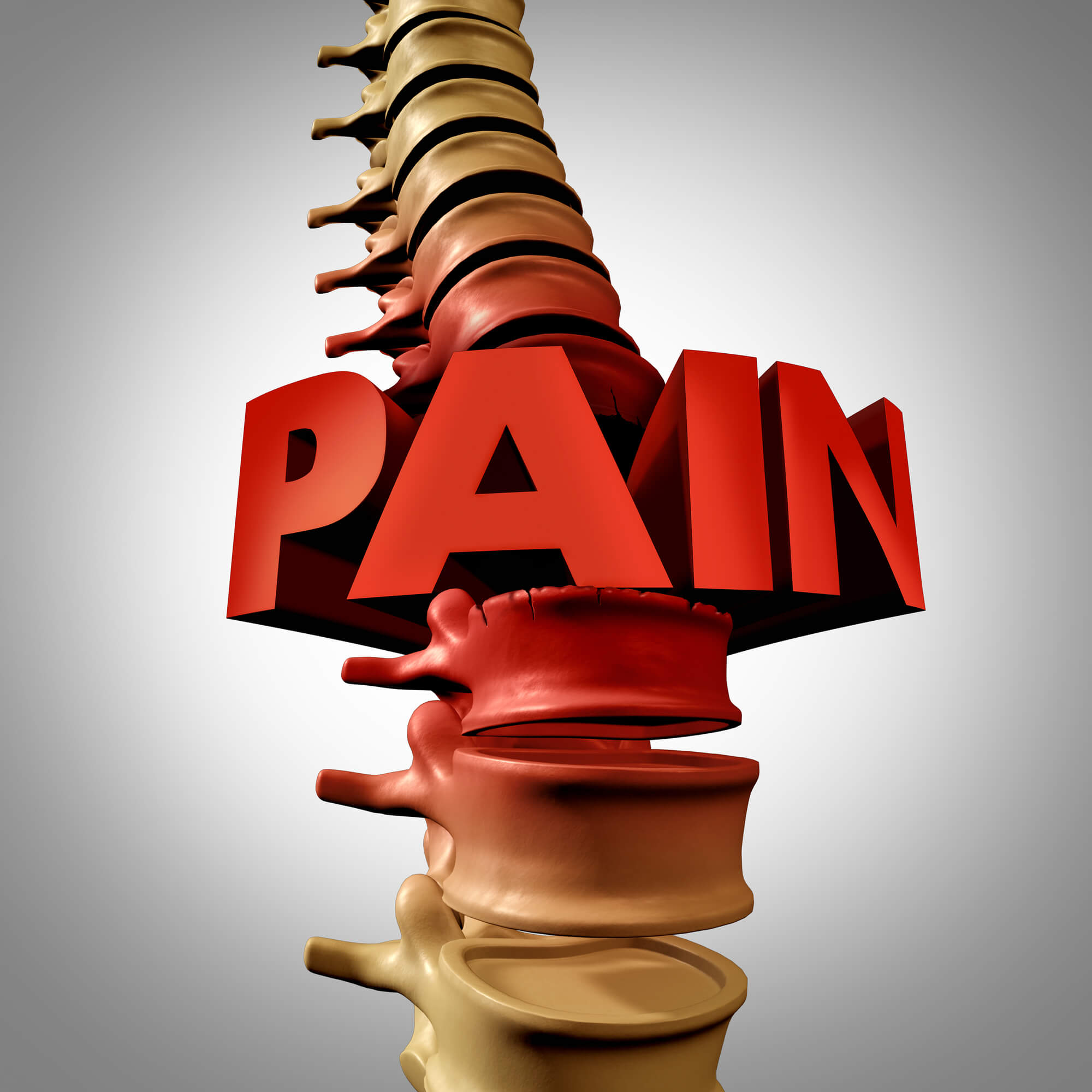
• Fractures can be a sign of poor bone health, even though they are a common occurrence.
• Bones are living tissue that require a balance between resorption and formation to remain healthy.
• Factors that can contribute to poor bone health include age, gender, genetics, nutrition, and lack of physical activity.
• Osteoporosis is a common condition that can lead to weakened bones and an increased risk of fractures, particularly in older women.
• Maintaining good bone health throughout life is important to prevent fractures and other bone-related problems.
• Tips for maintaining good bone health include getting enough calcium and vitamin D, engaging in weight-bearing exercises, and avoiding smoking and excessive alcohol consumption.
• Regular bone density screenings can help assess one's risk of fractures.
Fractures and Bone Health. Trauma fractures result from the direct, physical impact of an event such as tumbling off a ladder, being injured in a car accident, or falling while playing pickleball.
Unlike osteoporosis-related fractures, trauma fractures are not necessarily associated with an underlying weakness in the bones. They occur because the bones cannot withstand the amount of force exerted on them by the trauma event. Doctors and patients need to determine whether or not the health of the bone was adding to the extent of the fracture.
The fact that trauma was involved does not necessarily mean the bone is healthy.
if you have any fractures of significance, you should get a bone density test (DXA).
Of course, there are gray areas. Osteoporosis may predispose some individuals to fracture a bone with less trauma than would be expected. It's important to tease out the details of any activities or life events that result in a fracture and bone health issues. This information can influence medical decisions and life activities.
Stress fractures are generally classified in the trauma category because the repetitive pounding of an activity. For example, running causes physical stress that can produce hairline breaks over time. But a stress fracture can also be a red flag for low bone density or poor bone quality (TBS test). It’s one thing if a stress fracture occurs in a person who trains for and runs a marathon. There could be other problems if it happens after a long walk.
Stress fractures are not always visible on x-rays. An MRI or CT scan may be required for confirmation. Seek this type of assessment if it seems the area in question has not healed after three to four weeks. If you or someone in your life experiences repeated stress fractures (or a fracture that seems to be of questionable origin), consider getting an accurate bone density test (DXA) to investigate the problem further.
Note: “Insufficiency fracture” is a term you may see in medical reports. These are only seen in severe bone cases. Sometimes referred to as a ‘subtype’ of stress fracture, insufficiency fractures can happen without any trauma. These fractures occur due to loss of trabecular (porous) bone, and they are “caused by normal or physiologic stress upon weakened bone.” In other words, the bone is so weak it can collapse due to the mere stress of body weight. Insufficiency fractures are seen only in extreme cases of osteoporosis or some other bone pathology.
Different terms are used to identify fractures caused by or related to osteoporosis. This can be confusing when you’re talking to your doctor or doing online research!
The following is a list of a few names for osteoporosis-related fractures.
Please note that all these terms basically mean the same thing:
The World Health Organization describes all osteoporosis-related fractures as “fracture[s] caused by injury that would be insufficient to fracture a normal bone.” So, even though the above labels differ, they each describe bone breaks that fall under an ‘osteoporosis-related fracture’.
In other words, these fractures occur with minimal or no trauma from a standing height or lower.
This means if you have osteoporosis, you can fracture a bone if you trip and fall onto the floor or the street. That’s a fall from a standing height, and when there is no underlying pathology, most people can fall that far without breaking a bone. (Although certainly there are instances when falling from a standing height can have significant impact, which is why it is important to ask a lot of questions about a fracture).
For instance, if someone falls hard from a standing height and breaks their wrist, it does not necessarily mean their bones are significantly weak. However, if the bones shatter in pieces or if surgery is necessary it certainly is possible that poor bone health was part of the reason the bone fracture, get a bone density test.
When my patients are unclear about whether a recent fracture could be due to osteoporosis, I sometimes ask them, “If this had happened when you were twenty-five years old, do you think you would have fractured?” Answering “no” to that question is one indication that their fractures may not be due to a specific trauma event and that further investigation is needed.
There is so much to know regarding your bones. Diagnosis is paramount, and if you have sustained a significant fracture, you can help yourself by learning all you can from reputable sources.
There is no osteoporosis specialty and most doctors of any persuasion are not specialists. If you have not sustained a fracture and you are diagnosed with osteoporosis with a bone density test(DXA), consider yourself lucky. Learn all you can to see if your fracture risk is of concern.
Most medical doctors tend to “treat” the bone density test, and recommend a bone medication without doing proper lab work. Alternative doctors may recommend a simple supplement program, but they too are not experts in reading bone density reports and ordering proper lab work.
In both instances, your bones were not fully evaluated.
My latest DXA and TBS report is in. As a reminder, I was diagnosed with osteopenia in 2005 and given a script for Fosamax. I declined. I was in my 50's. Now I'm in my 70's. My intention was to implement my 7 pillars for bone health for a better outcome:
At that time, Fosamax was a long term drug. I would have been a prolonged user. I'm grateful to the work of Dr. Schneider and who revealed her terrible story below. Due to her work Fosamax users now take a drug holiday.
(more…)Mighty Bone Loving Oatmeal packs a delicious nutrient boost. Oats are high in the form of soluble fiber called beta-glucan, which is beneficial for heart health. They are a good source of manganese, a component of antioxidant enzymes, important in facilitating bone development and helping to make and break down glucose. Oats are also a good source of calcium, iron, magnesium, zinc, and selenium.
My bones feel nourished eating my, cook-once-eat-twice (or 3-4 times), mighty bone-loving oatmeal especially as the weather gets colder. Since I find it so soothing I usually eat oatmeal all year round. Adding berries rounds out this pleasurable meal with a touch of sweetness.
Hello friends of bones:
I’m happy to present my Bone Turnover Marker PDF from my interview with Dr. McCormick.
We discussed:
What are Bone Markers?
Why are they necessary?
What is the best way to get an effective test?
My gift to my community is the easy-to-navigate clickable transcript.
(more…)One of my favorite recipes Sardine Salad for your bones with a refreshing lemon flavor.
Oily fish is a superfood and sardines are the unsung heroes of this group. They are rich in selenium and calcium and are an excellent source of omega-3s. They are high in EPA and DHA which are essential fatty acids that perform a multitude of tasks inside your body, including stopping inflammation at a cellular level, breaking down fat cells, and maintaining a healthy hormonal balance.
(more…)