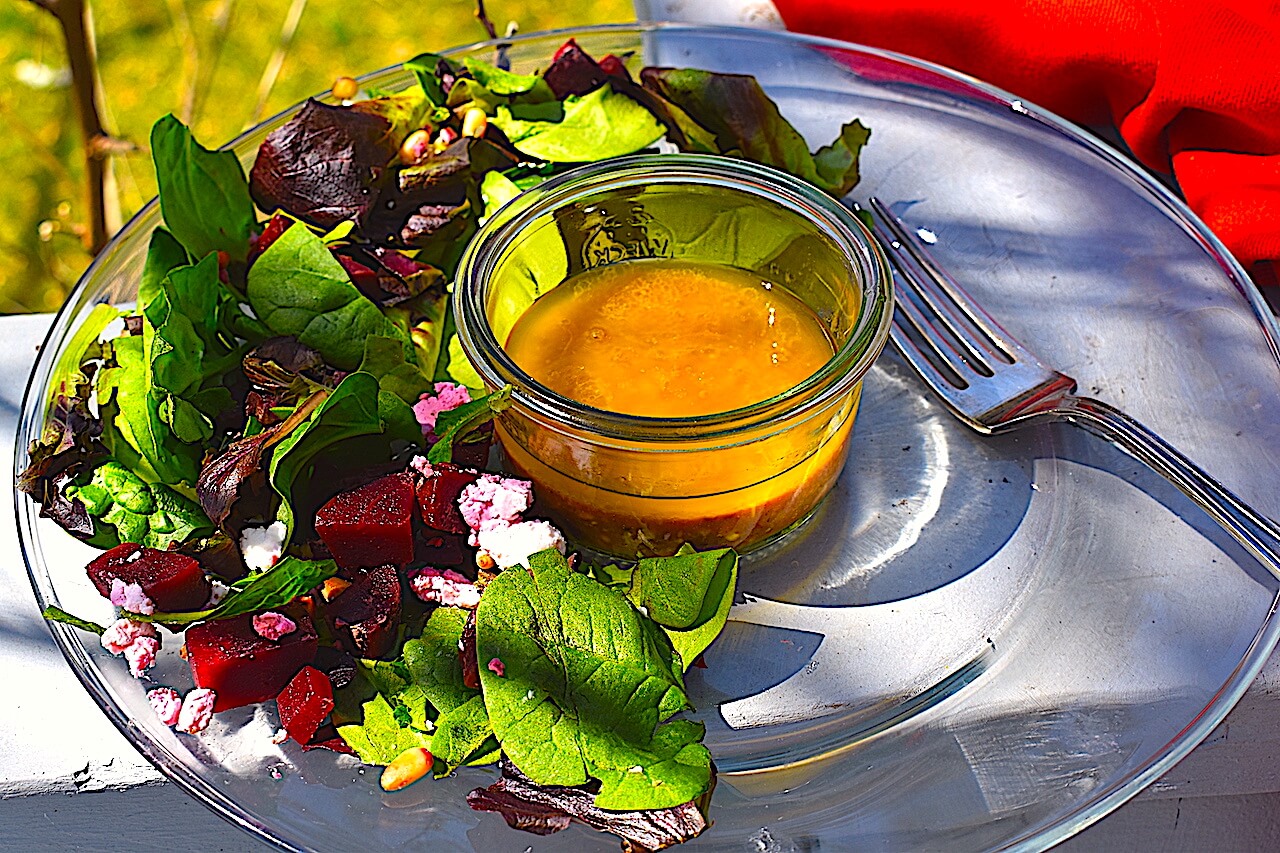
South River Adzuki Miso is soy free and features the beautiful red adzuki bean, long valued in Asian folk traditions for nourishing the deep essential energies of the body. Adzuki beans are rich in protein, fiber, vitamins, minerals and beneficial plant compounds. Soaking, sprouting and fermenting makes it easier to absorb these nutrients. In Traditional Chinese Medicine (TCM) the kidney is at the root of all bone related issues and adzuki beans nourish the kidneys.
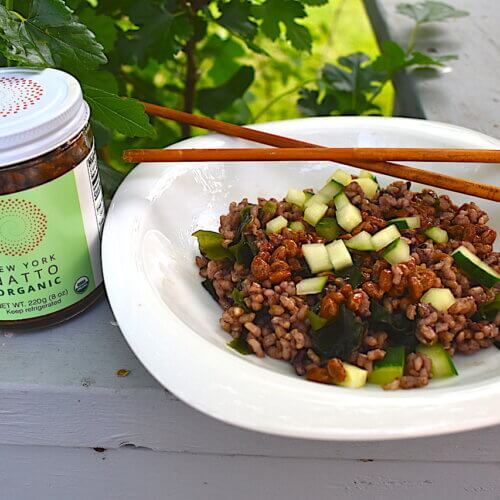
Natto Salad “Natto is a traditional Japanese comfort food made of cooked whole soybeans fermented with Bacillus subtilis bacteria. For over a thousand years, natto has been a staple food in Japan, long revered for its nutritive value and many health benefits. Today, natto remains a popular breakfast, snack or side dish, typically eaten with a bowl of rice. Ubiquitous in Japan, natto is virtually unknown elsewhere. Natto is a food that promotes gastrointestinal health, and is also rich in nutrients shown to support cardiovascular (nattokinase) and bone health. THE BEST SOURCE OF VITAMIN K2 (MK-7) - gets calcium out of your arteries and into your bones. Natto is loved for its unique flavor and aroma -- savory, umami-rich and pungent (quite similar to a deliciously stinky cheese). As a living food, natto is full of active probiotic bacteria, and as with other naturally fermented foods (e.g. wine, cheese, sauerkraut), the taste of natto evolves and intensifies with time. Freshly made natto has a milder flavor than natto that has been aged for a few weeks”.Information from New York Natto
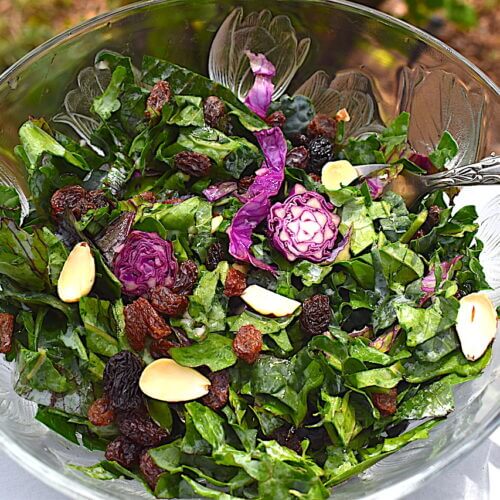
This vibrant, colorful, beautiful kale and red cabbage salad is my go to salad. Kale is a nutrition superstar due to the amounts of vitamins A, K, B6 and C, calcium, potassium, copper and manganese it contains. One cup of raw kale has just 33 calories and only 7 grams of carbohydrate. So, it’s a very diabetes-friendly/weight-friendly vegetable. Kale is a member of the cruciferous vegetable family along with cauliflower, Brussels sprouts, cabbage, broccoli, collard greens, kohlrabi, rutabaga, turnips and bok choy. Red cabbage is a good source of vitamin K and provides small amounts of calcium, magnesium, and zinc, which can help build and maintain healthy bones. Red cabbage is high in fiber, making it easier to digest foods and keep your digestive system healthy.
Course Dinner, Lunch, Main Course, Salad, Side Dish
Cuisine American
Servings 6
Calories 412kcal
Equipment
1 cutting board
1 knife
Ingredients
Raw Kale Salad
4cupskalecurly chopped
3cupsred cabbagethinly sliced
3/4cupsalmondschopped
1/2cup cheese (optional) small cubes
3/4cupcurrantsdried
Lemon Dressing
2lemonsapproximately 1/4 cup juiced
1/2tbspsaltrock salt-Himalayan Sea Salt
10tbspolive oil
2clovesgarlicfinely diced
Instructions
Raw Kale Slad
wash vegetables and dry - Important to dry as the dressing won't adhere to the kale if it is wet
remove the center stem from kale and chop into small pieces
cut the cabbage into quarters and then thinly slice
add kale and cabbage to a large bowl
add currants, almonds, cubed cheese to the salad
Lemon Dressing
macerate salt and garlic in a mortar and pestle
add macerated salt and garlic to a glass jar
add the lemon juice and olive oil to the jar with a lid
shake vigorously
add the dressing to the salad
refrigerate any leftover dressing and use on other salads, steamed veggies or as a dip for artichokes
Notes
You can add even more protein to this salad by using 2 cups of cubed chicken breast. Vegetarians you can add 2 cups of garbanzo beans for extra protein.These nutrition facts are for 1 serving of your recipe. Total servings for this recipe: 2The nutritional information is automatically calculated and can vary based on ingredients and products used.
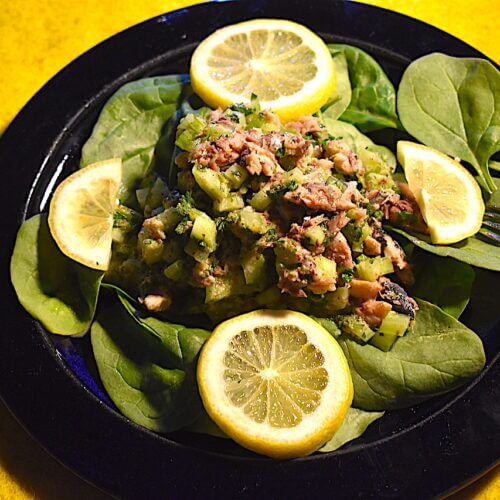
Oily fish is a superfood and sardines are the unsung heroes of this group. They are rich in selenium and calcium and are an excellent source of omega-3's. They are high in EPA and DHA which are essential fatty acids that perform a multitude of tasks inside your body, including stopping inflammation at a cellular level, breaking down fat cells, and maintaining a healthy hormonal balance.
Combine oil, lemon zest and juice, mustard, capers, parsley, tarragon, and celery in a bowl.
Gently fold in sardines and season with salt and pepper.
Serve on lettuce, greens or with crackers or in a sandwich
Notes
These nutrition facts are for 1 serving of your recipe. Total servings for this recipe: 2The nutritional information is automatically calculated and can vary based on ingredients and products used.
I love the flavor combination in this simple watermelon, arugula, feta, and balsamic vinaigrette salad. It is wonderfully sweet, salty, peppery, fresh and summery. The balsamic vinaigrette compliments the flavors in the salad perfectly.
1/2cupfeta cheesechoose a vegan feta cheese if you are dairy free
6 cupsarugulacut smaller if pieces are too large
2tbspbalsamic vinegar
2tbspolive oilextra virgin
1dashsea salt
1dashblack pepper
6leavesmintoptional
Instructions
Wash and dry the arugula. Cut into smaller pieces if very large.
Chop the mint if using.
Make the balsamic dressing by combining balsamic vinegar, olive oil, salt and pepper.
Dice the watermelon.
Toss together arugula, watermelon, mint (if using), feta and vinaigrette.
Notes
Arugula is a leafy green with a distinctive, peppery flavor that originated in the Mediterranean regions of Morocco, Portugal and Turkey. It is also called rocket, rucola and Italian cress. Arugula is a member of the brassica, or cruciferous family. This delicious green is nutrient dense, high in both fiber and beneficial phytochemicals, which are compounds in plants that contribute to their color, taste and smell. Arugula is also full of antioxidants, which can reverse damage to your cells. Arugula is rich in calcium, but low in oxalates.The nutritional information is automatically calculated and can vary based on ingredients and products used.
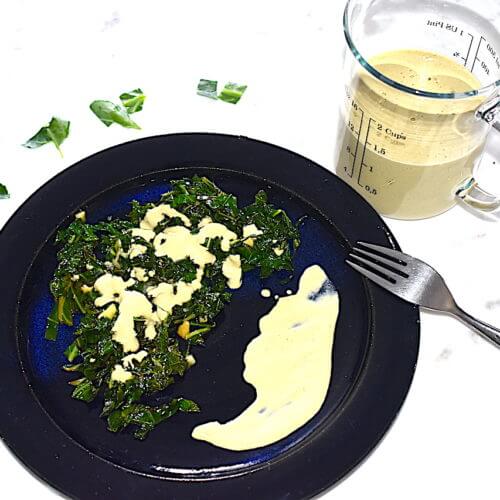
I a large skillet, dry roast the pepitas on medium heat
Heat for 5 minutes, stirring constantly until the seeds pop
Cool for 5 minutes
In a blender or food processor, combine the pepitas, vinegars, flax oil and tamari
Blend until the seeds are chopped
Add the water and blend for 30-60 seconds
Notes
Health benefits: Pumpkin seeds are higher in protein than many other seeds and nuts, and they are a valuable source of Omega-3 fatty acids. An excellent source of iron, zinc, phosphorus and Vitamin A, they also contain calcium and some of the B Vitamins. They are recommended by some to expel pinworms, roundworms and other intestinal parasites, and are considered medicinal for the liver, colon and spleen-pancreas. Also used for motion sickness, nausea, impotency and swollen prostate. Flax seeds contain linoleic acid, which is vitally important for strengthening immunity, helping prevent cancer, clearing the heart and arteries and alleviating rheumatoid arthritis.Flax is superior source of lignan, a mildly estrogenic compound that helps normalize a woman’s menstrual cycle and that has anticancer, antibacterial, anti-fungal and anti viral properties. The seeds are highly useful as an intestinal cleanser and bowel regulator for diverticulitus.Recipe contribution: Laura Parisi, AADP, CHHC, Food Shamanwebsite: https://www.rootedangel.com/The nutritional information is automatically calculated and can vary based on ingredients and products used.
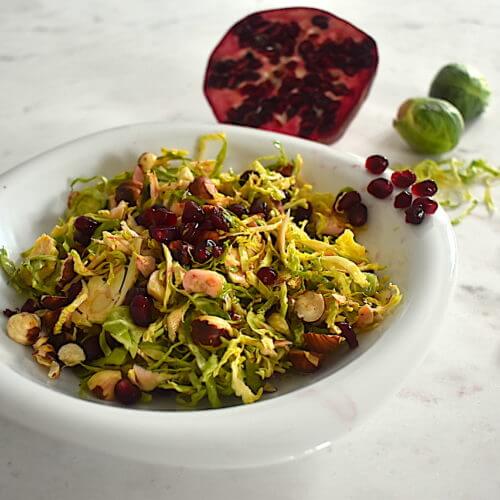
Brusells Sprouts are a cruciferous vegetable. These veggies were originally named for the way their flowers seemed to form a cross or crucifix shape. But they are also known as “brassica” vegetables. That comes from their botanical name which translates to “cabbage.” Some people just call them the cabbage family of vegetables.
Eating three servings a day of cruciferous veggies is my personal goal.
2tablespoonshazelnut oilif no hazelnut oil double the olive oil
2tablespoonsextra-virgin olive oil
2tablespoonsorganic apple cider vinegar
2teaspoonsDijon mustard
1teaspoonmaple syrup
1teaspoonfinely grated organic lemon zest
1tablespoonfresh lemon juice
1/4tspsalt
1/4tspfreshly ground pepper
1poundbrussels sproutsfinely shredded
3/4cupseeds from 1 small pomegranate
Instructions
Step 1
Preheat the oven to 350°.
In a pie plate, toast the hazelnuts until the skins blister, about 15 minutes.
Transfer the nuts to a clean kitchen towel and let cool, then rub to remove the skins.
Or cook toast them over stove top
Coarsely chop the nuts.
Step 2
In a bowl, whisk the oils, vinegar, mustard, lemon zest and lemon juice and season with salt and pepper.
Add the shredded brussels sprouts, pomegranate seeds and toss well.
Sprinkle the chopped hazelnuts on top and serve right away.
Video
Notes
Why are cruciferous vegetables so important?For one thing, cruciferous vegetables are critical for helping your body get rid of harmful toxins.You see, most toxins are fat-soluble. But in order for your body to get rid of them, it has to first convert them to a water-soluble state. Once they are water-soluble your body can excrete them through the bowel, through the kidneys as urine, or through the skin as sweat.The sulfur in cruciferous vegetables helps your body gets those toxins out. A sulfur molecule attaches to a toxin and makes it water-soluble. Then it can be flushed out.Without those sulfur compounds the toxins could be trapped in your body. They would just continue to circulate causing more harm.But there’s another reason to eat these veggies every day. They build strong bones.Cruciferous vegetables are full of vitamin C, calcium, vitamin K, and magnesium. You need all of those for keeping your bones healthy.And cruciferous vegetables are also alkalizing. They help you balance out the more acidic foods in your diet like meats, dairy, and sugar that tend to leach calcium from your bones and make them weak.
Take the first step – boost your bone healthy with Protein!
Sign up for our newsletter and gain access to expert bone health tips and updates. As a thank you, receive your free copy of ‘Protein Guide To Healthy Bones PDF’ to help you on your wellness journey.
Struggling with bone health or osteoporosis prevention?
Let’s talk about your biggest bone health challenge. I’ll personally guide you or recommend the right solution to help you build stronger, healthier bones.
Food for Healthy Bone teaches you how to eat for healthy bones through recipes, and product reviews. As an Osteoporosis Patient Navigator, I help you in all stages of osteoporosis; from diagnosis to finding the right doctor.