Email IconAccount Login Icon

Watermelon Protein-Calcium Mocktail

Written by
Irma Jennings, INHC
Uploaded
July 13

https://food4healthybones.com

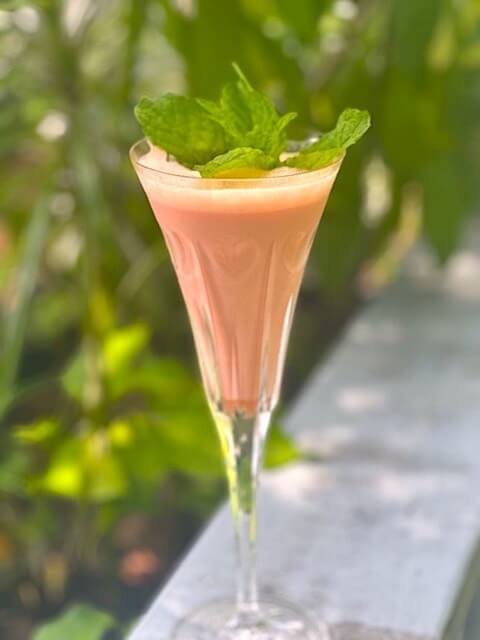
Watermelon Protein-Calcium Mocktail

This Watermelon Protein-Calcium Mocktail is a refreshing and nourishing drink that balances summer flavor with functional benefits. It begins with ripe, juicy watermelon—blended to a smooth, hydrating juice—then brightened with fresh lime.
To elevate its nutritional profile, a scoop of plant-based protein powder adds body and creaminess, while Greek yogurt contributes additional calcium and a subtle, velvety texture.
For an extra calcium boost, powdered calcium citrate is stirred in—an odorless, flavorless mineral that dissolves easily into the drink, supporting bone health without changing the taste. Served over ice and garnished with mint, this mocktail is as cool and invigorating as it is nutrient-rich—a delicious way to hydrate and nourish at once.
No ratings yet
Want More Recipes?Find more bone-loving recipes in my Comprehension Bone Health Program (CBHP) Waiting List here!
See all recipes here.
Prep Time 10 minutes
Total Time 10 minutes
Course Beverages, Drinks
Cuisine American
Servings 4
Calories 101 kcal

Equipment

  • 1 knife
  • 1 blender high speed

Ingredients
  

  • 4 cups watermelon cubed, seeded
  • 1/2 cup Greek yogurt plain, non-fat
  • 1 cup milk plant based or low-fat milk
  • 1/4 cup lime juice fresh juice
  • 1 scoop protein powder vanilla or plain
  • 1 tsp calcium citrate powder
  • 1 sprig mint garnish

Instructions
 

  • In the blender, combine the watermelon, Greek yogurt, lime juice, protein powder, calcium and milk and blend until liquified.
  • Fill glasses with ice cubes.
  • Pour the mocktail mixture over the ice.
  • Garnish with fresh mint.

Notes

The nutritional information is automatically calculated and can vary on ingredients and products used.

Nutrition

Calories: 101kcalCarbohydrates: 17gProtein: 6gFat: 2gSaturated Fat: 1gPolyunsaturated Fat: 0.1gMonounsaturated Fat: 0.5gTrans Fat: 0.003gCholesterol: 9mgSodium: 34mgPotassium: 316mgFiber: 1gSugar: 13gVitamin A: 983IUVitamin C: 17mgVitamin D: 1µgVitamin E: 0.1mgVitamin K: 0.4µgCalcium: 216mgIron: 0.4mgMagnesium: 27mgPhosphorus: 115mgSelenium: 4µgZinc: 1mg
Keyword calcium, mocktail, protein, watermelon
Tried this recipe?Let us know how it was!

https://food4healthybones.com

Homemade "Gatorade"

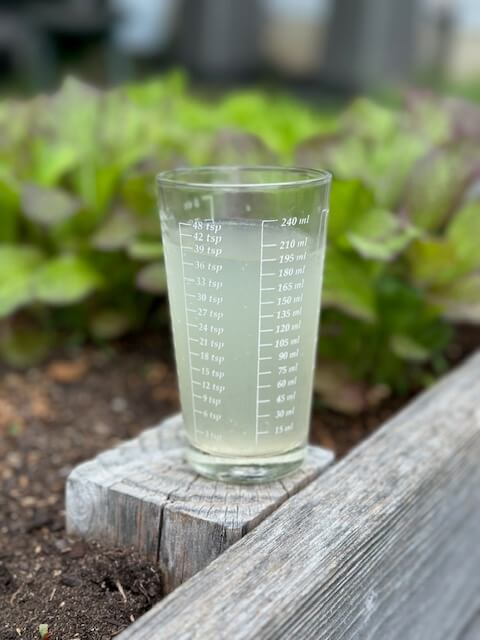
Here is my homemade electrolyte drink that is light, refreshing, and easy to drink. It’s packed with electrolytes, vitamins, and minerals from natural ingredients, and takes just minutes to make. I never liked the "gatorade" products that contain food dyes and way too much sugar. Here is my lemon/lime flavor, but you can be creative and make any other fruit flavor you love.
This drink came in handy....My partner had no idea the heat was getting to him—right up until speech started slurring like an audition for a zombie movie. That’s when I hit the panic button and called Vicki. Thankfully, I had all the right ingredients stocked at his place in Virginia.
He was on the verge of overheating—this quick recovery cocktail and some icy rags to the face and chest, and he was back to himself: refreshed, rehydrated, and speaking in full sentences again.
No ratings yet
Want More Recipes?Find more bone-loving recipes in my Comprehension Bone Health Program (CBHP) Waiting List here!
See all recipes here.
Prep Time 5 minutes
Total Time 5 minutes
Course Beverages, Drinks
Cuisine American
Servings 2
Calories 60 kcal

Equipment

  • 1 glass storage jar
  • 1 knife
  • 1 lemon/lime squeezer

Ingredients
  

  • 1/4 cup lime juice freshly squeezed
  • 1/4 cup lemon juice freshly squeezed
  • 2 cups Mineral Water Gerolsteiner Mineral Water
  • 1/4 tsp Salt Real Salt or Celtic Salt or Himalayan Sea Salt
  • 2 tbsp cane sugar organic or maple syrup

Instructions
 

  • Shake all ingredients together in a glass quart jar and store in the fridge for up to a week.

Notes

The nutritional information is automatically calculated and can vary on ingredients and products used.
 Gatorade is much higher in sodium than potassium, so it's more about replacing salt lost in sweat than supporting deep electrolyte balance. If potassium replenishment is a goal (e.g., for heat recovery or muscle cramping), use coconut water, in place of filtered water. Using coconut water will raise the levels of potassium to 667 mg per serving and sodium to 544 mg per serving.

Nutrition

Calories: 60kcalCarbohydrates: 17gProtein: 0.2gFat: 0.1gSaturated Fat: 0.01gPolyunsaturated Fat: 0.01gSodium: 294mgPotassium: 67mgFiber: 0.2gSugar: 13gVitamin A: 17IUVitamin C: 21mgVitamin E: 0.1mgVitamin K: 0.2µgCalcium: 40mgIron: 0.1mgMagnesium: 4mgPhosphorus: 7mgSelenium: 0.1µgZinc: 0.04mg
Keyword electrolytes, gatorade
Tried this recipe?Let us know how it was!

Matcha Tea Benefits
https://food4healthybones.com

Matcha Tea

I drink matcha now that I am taking a break from coffee. It has become a ritual I look forward to every morning. Matcha is a unique and traditional Japanese green tea with a rich history and distinct characteristics. It originated in China during theTang Dynasty (618-907 AD) and was introduced to Japan in the 12th century by Buddhist monks. It became integral to the Japanese tea ceremony in the 16th century. Matcha is celebrated not only for its unique flavor and cultural significance but also for its potential health benefits.
Matcha decreases stress and anxiety, improves memory and short- and long-term cognitive function in humans, while having no effect on mood.•Studies on mice showed that matcha enhanced spatial learning, up-regulated Brain-Derived Neurotrophic Factor and insulin-degrading enzyme leading to reduced neuro-inflammation.•Matcha improves lipid profile and glucose metabolism, reduces inflammation and results in lower weight gain due to high fat diet in mice.•In vitro studies showed the anti-tumor effect of matcha by reducing viability, mitochondrial metabolism, ATP production and oxygen consumption of breast cancer cells by disrupting cell cycle regulation and interleukin signaling. [1]
Traditional preparation:  Sift 2 grams of matcha into a warm tea bowl. Add 1 cup of hot water (not boiling, ideally around 80°C/176°F) Whisk vigorously in a W or M motion using a bamboo whisk or small metal whisk until frothy.
A 2-gram serving of matcha, is a typical serving size for a cup of matcha tea. Here are the estimated amounts of nutrients:
Catechins: ** Total catechins: 200-400 mg EGCG: 100-200 mg Caffeine: 38-88 mg L-theanine ** 40-60 mg Vitamin K: 120-140 mcg Vitamin C: 1.2-1.6 mg Fiber: 0.06-0.08 g Chlorophyll: 12.4 mg Minerals: Potassium: about 54 mg Calcium: about 2.8 mg Magnesium: about 4.6 mg Iron: about 0.34 mg Zinc: about 0.12 mg Protein: About 0.6 g
While some of these numbers might seem small, they can contribute to your daily nutrient intake, especially if you consume matcha regularly. The high concentration of antioxidants catechins and L-theanine are particularly notable in matcha, even in this small serving size.
** Catechins and EGCG (Epigallocatechingallate) are types of polyphenols, which are powerful antioxidants found in high concentrations in green tea, especially matcha. These compounds have been associated with various potential health benefits:
1.  Antioxidant properties:
a. Catechins and EGCG neutralize harmful free radicals in the body
b.   This may help prevent cellular damage and reduce the risk of chronic diseases
2.   Anti-inflammatory effects
a.   May help reduce inflammation throughout the body
b.   Chronic inflammation is linked to many health issues, including heart disease and certain cancers
3.   Heart health:
a.   May help lower LDL (bad) cholesterol and raise HDL (good) cholesterol
b.   Could potentially reduce the risk of heart disease and stroke
4.   Weight management:
a.   May boost metabolism and increase fat burning
b.   Could aid in weight loss or maintenance when combined with a healthy diet andexercise
5.   Brain function:
a.   May protect brain cells from oxidative stress
b.   Potentially reduces the risk of neurodegenerative diseases like Alzheimer's and Parkinson's
6.   Cancer prevention:
a.   Some studies suggest catechins may help prevent the formation and growth of certain types of cancer cells [2]
b.   However, more research is needed in this area
7.   Skin health:
a.   Topical application may protect against UV radiation damage
b.   Could potentially slow signs of skin aging
8.   Blood sugar regulation:
a.   May help improve insulin sensitivity
b.   Could potentially aid in managing or preventing type 2 diabetes
9.   Liver protection:
a.   Some studies indicate catechins may help protect liver cells from damage [3]
10. Antimicrobial properties:
a.   May help fight against certain bacteria and viruses
**L-theanine is an amino acid found naturally in tea leaves, particularly in green tea and matcha. It's known for its unique effects on the brain and nervous system. L-theanine is often taken as a supplement, but it's also present in significant amounts in matcha. The combination of L-theanine and caffeine in tea is often credited for the calm yet alert state many people experience when drinking tea. Chemical structure: L-theanine is structurally similar to glutamate, a neurotransmitter in the brain. Taste and solubility: It contributes to the umami (savory) flavor in tea. Highly water-soluble.
1. Effects on the brain: Promotes relaxation without causing drowsiness
a. Can help reduce stress and anxiety.
b. May improve focus and concentration
3. Interaction with caffeine.
a. Often paired with caffeine (as naturally occurs in tea).
b. Can help smooth out caffeine's stimulant effects, reducing jitters and promoting calm alertness .
4. Sleep quality
a. May improve sleep quality when taken before bedtime
5. Cognitive performance
a. Some studies suggest it may enhance cognitive performance, particularly when combined with caffeine. [4]
6. Blood pressure
a. May help reduce blood pressure increase in high-stress situations
7. Immune system
a. Potentially supports immune function
8. Absorption and effects
a. Typically takes effect within 30-60 minutes after consumption
b. Effects can last for several hours
9. Safety profile
a. Generally considered safe for most people
b. Few reported side effects when taken in normal dietary amounts
No ratings yet
Want More Recipes?Find more bone-loving recipes in my Comprehension Bone Health Program (CBHP) Waiting List here!
See all recipes here.
Prep Time 5 minutes
Total Time 5 minutes
Course Beverages
Cuisine Japanese
Servings 1
Calories 6 kcal

Equipment

  • 1 kettle
  • 1 cup
  • 1 whisk

Ingredients
  

  • 2 grams matcha tea

Instructions
 

  • Sift 2 grams of matcha into a warm tea bowl.
  • Add 1 cup of hot water (not boiling, ideally around 80°C/176°F)
  • Whisk vigorously in a W or M motion using a bamboo whisk or small metal whisk until frothy.

Notes

[1] https://www.ncbi.nlm.nih.gov/pmc/articles/PMC6273642/
[2] https://www.ncbi.nlm.nih.gov/pmc/articles/PMC6273642/
[3] https://www.ncbi.nlm.nih.gov/pmc/articles/PMC10346988/
[4] https://www.ncbi.nlm.nih.gov/pmc/articles/PMC8156288/
 

irmajennings.com 

irma@food4healthybones.com     

Irma Jennings - INHC - Osteoporosis Patient Navigator

Nutrition

Calories: 6kcalProtein: 1gVitamin A: 100IUIron: 0.4mg
Keyword matcha tea
Tried this recipe?Let us know how it was!

https://food4healthybones.com

Golden Milk

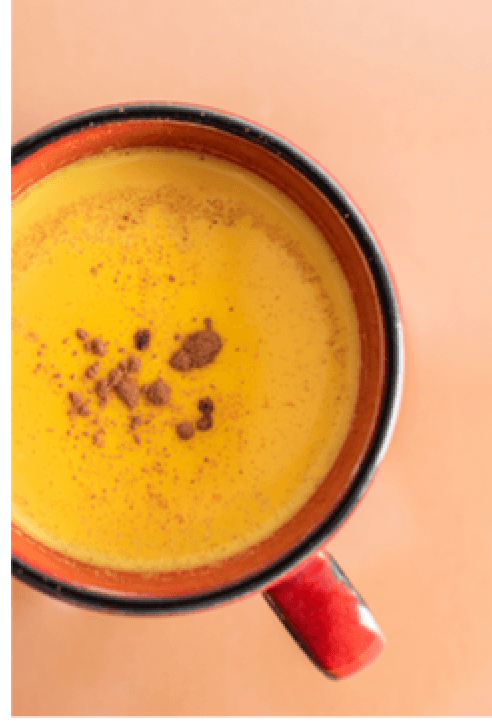
As the weather is turning chilly and I feel the need to stay warm, I makethis delicious drink to warm and comfort me while providing nourishment.
Golden milk is a traditional Indian drink made with turmeric, cinnamon,ginger, and other spices.
Turmeric is good for you for areason. If you have an autoimmune condition then turmeric milk can help due toits anti-inflammatory properties. Turmeric is one of Mother Nature’s tophealing compounds and studies * have shown that curcumin, the activeingredient in turmeric, can help certain autoimmune conditions by regulatinginflammatory signals.
Turmeric is also a potent antioxidant. It can fight free radicals andcan even help ward off the common cold. All because it fights  chronicinflammation  ** that may otherwise be suppressing your immune system.
Drinking Golden Milk is also a good source of calcium and vitamin D.
*https://pubmed.ncbi.nlm.nih.gov/17569223/
 ** https://www.ncbi.nlm.nih.gov/pmc/articles/PMC2637808/
No ratings yet
Want More Recipes?Find more bone-loving recipes in my Comprehension Bone Health Program (CBHP) Waiting List here!
See all recipes here.
Prep Time 5 minutes
Cook Time 5 minutes
Total Time 10 minutes
Course Beverages
Cuisine Indian
Servings 1
Calories 145 kcal

Equipment

  • 1 saucepan
  • 1 mug

Ingredients
  

  • 1 cups low fat milk (whole-milk, soy, coconut, oat) If you’re using nut milk, try adding a splash of coconut oil. It helps to give your golden milk that extra fat content to absorb the turmeric compounds.
  • 1 tsp maple syrup or honey
  • 1 1/2 tsp vanilla extract
  • 1/2 tsp ground turmeric
  • 1/2 tsp ground ginger
  • 1 pinch black pepper to activate the compound curcumin in turmeric
  • 1 pinch sea sat

Instructions
 

  • Heat the milk in a saucepan over medium heat until nearly simmering.
  • Add sweetener, vanilla extract, turmeric, cinnamon, ginger, black pepper and salt to a heatproof mug. Pour the steamed milk into the mug and stir until combined.
  • Add extra sweetener if needed.
  • Serve warm. 

Notes

The nutritional information is automatically calculated and can vary based on ingredients and products used.

Nutrition

Calories: 145kcalCarbohydrates: 19gProtein: 8gFat: 2gSaturated Fat: 1gPolyunsaturated Fat: 0.1gMonounsaturated Fat: 1gCholesterol: 12mgSodium: 94mgPotassium: 440mgFiber: 0.4gSugar: 17gVitamin A: 463IUVitamin C: 0.3mgVitamin D: 3µgVitamin E: 0.1mgVitamin K: 1µgCalcium: 309mgIron: 1mgMagnesium: 35mgPhosphorus: 248mgSelenium: 6µgZinc: 1mg
Keyword ginger, golden milk, turmeric
Tried this recipe?Let us know how it was!

https://food4healthybones.com

Hydrating Watermelon Refresher

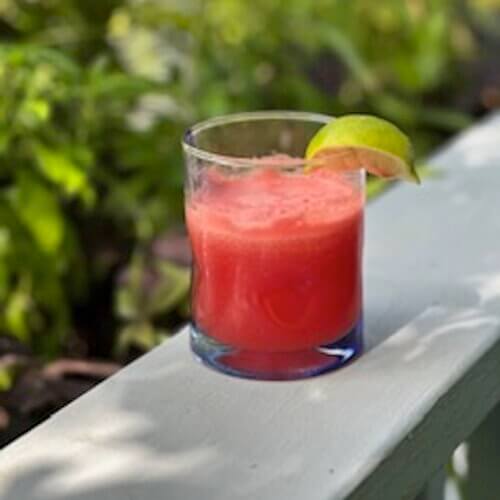
Drinking enough water each day is crucial for many reasons: to regulate body temperature, keep joints lubricated, prevent infections, deliver nutrients to cells, and keep organs functioning properly. Being well-hydrated also improves sleep quality, cognition, and mood.
Experts recommend drinking roughly 11 cups of water per day for the average woman and 16 for men. And not all of those cups have to come from plain water; for example, some can come from water flavored with fruit or vegetables (watermelon, lemons, berries, or orange or cucumber slices). I have chosen to add watermelon to my Gerolsteiner to help with hydration and to add additional calcium and magnesium as well.
No ratings yet
Want More Recipes?Find more bone-loving recipes in my Comprehension Bone Health Program (CBHP) Waiting List here!
See all recipes here.
Prep Time 5 minutes
Total Time 5 minutes
Course Beverages
Cuisine American
Servings 1
Calories 93 kcal

Equipment

  • 1 blender
  • 1 knife

Ingredients
  

  • 2 cups watermelon
  • 8 oz Gerolsteiner
  • 1 tbsp lime juiced (or to taste)

Instructions
 

  • Cut fresh watermelon into cubes
  • Blend until liquified
  • Pour into 16 oz glass
  • Add lime juice
  • Add Gerolsteiner and stir

Notes

The nutritional information is automatically calculated and can vary based on ingredients and products used.

Nutrition

Calories: 93kcalCarbohydrates: 24gProtein: 2gFat: 0.5gSaturated Fat: 0.1gPolyunsaturated Fat: 0.1gMonounsaturated Fat: 0.1gSodium: 33mgPotassium: 347mgFiber: 1gSugar: 19gVitamin A: 1733IUVitamin C: 26mgVitamin E: 0.2mgVitamin K: 0.3µgCalcium: 120mgIron: 1mgMagnesium: 61mgPhosphorus: 35mgSelenium: 1µgZinc: 0.3mg
Keyword drink, Gerolsteiner, hydration, watermelon
Tried this recipe?Let us know how it was!

https://food4healthybones.com

Women's Balancing Tea Recipe

No ratings yet
Want More Recipes?Find more bone-loving recipes in my Comprehension Bone Health Program (CBHP) Waiting List here!
See all recipes here.
Prep Time 5 minutes
Steeping 5 minutes
Total Time 10 minutes
Course Beverages, Teas
Cuisine American
Servings 1

Equipment

  • 1 tea pot
  • 1 glass jar

Ingredients
  

  • 1 tsp peppermint organic leaf
  • 1 tsp raspberry organic leaf
  • 1 tsp nettle leaf organic * good for bones
  • 1 tsp ginger root organic
  • 1 tsp dandelion organic leaf
  • 1 tsp oatstraw organic * good for bones
  • 1 tsp horsetail organic * good for bones
  • 1 tsp chamomile organic
  • 1 tsp rose petals organic

Instructions
 

Dried Tea Prep

  • Add 1 tsp of each herb into a glass jar
  • Store in cool dark space
  • Add 1 Tbsp for each cup of tea

Brewing Tea

  • Fill 1 tablespoon of tea in a cloth tea bag or mesh basket.
  • Pour 8 ounces of boiling water over the tea and allow to steep for 3-5 minutes.
Keyword tea
Tried this recipe?Let us know how it was!

Strong bones. Stronger you.
Let’s create a plan that supports your bone health and overall vitality.

Book your complimentary discovery call today — your future bones will thank you.
Let's Talk About Your Bones

From my bones to yours,

Irma Headshot Image
Irma Jennings, INHC - Osteoporosis Patient Navigator

Take the first step – boost your bone healthy with Protein!

Sign up for our newsletter and gain access to expert bone health tips and updates. As a thank you, receive your free copy of ‘Protein Guide To Healthy Bones PDF’ to help you on your wellness journey.

Related Articles:

Your Heart Deserves More Than a "Normal" Test Result

blog

Tracking Your Bones: Why Bone Turnover Markers Matter for Osteoporosis

blog

Navigating Osteoporosis: Expert Insights on Dental Health, Bone Markers, and Treatment Strategies

blog
1 2 3 41

Struggling with bone health or osteoporosis prevention?

Let’s talk about your biggest bone health challenge. I’ll personally guide you or recommend the right solution to help you build stronger, healthier bones.
Let's Talk About Your Bones

© 2025 Irma Jennings. All rights reserved worldwide. | Website/Hosting by Meadowlark IT.

chevron-down