8 Daily Tips for Bone Health and Strength

Written by
Irma Jennings, INHC
Uploaded
October 15
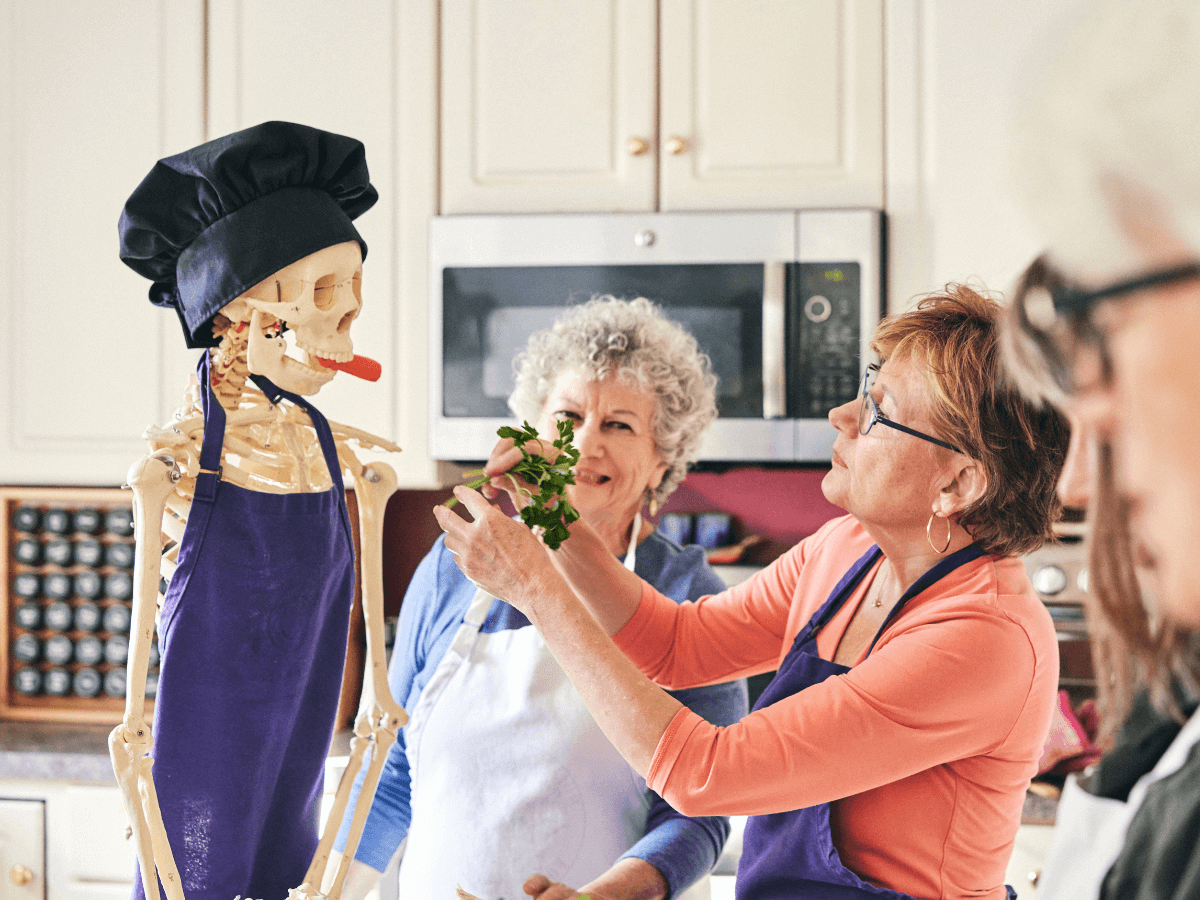

Better bone health is absolutely achievable, no matter your age. Our bones are the framework that keep us moving, standing tall, and living active lives. Yet many people don’t realize that small daily choices can either strengthen or weaken this foundation.
Bone health isn’t just about avoiding fractures later in life—it’s about energy, mobility, and quality of life today. I learned this the hard way years ago, when I started paying closer attention to how my daily choices added up. Some mornings I’d rush through breakfast, grab coffee, and feel depleted by noon. On other days, when I slowed down, hydrated, and actually ate those veggies my body had been asking for, I noticed a clear difference—not just in energy but in how strong I felt from the inside out.
The truth is, our bones respond to the little things we do every single day. The foods we eat, the way we move, and even how we breathe before a meal all play a part. That’s why I started gathering small, realistic practices that actually fit into daily life. Below are eight simple tips for bone health that I use myself—and that you can start adding into your routine right away.

A simple habit like drinking the juice of one lemon in warm water each morning can set the tone for your day. Lemon water has an alkalizing effect in the body, which supports overall balance and reduces the acid load that contributes to calcium loss. Hydration is also essential for bone and joint health, and beginning your day with water helps your body function optimally. I often think of it as a reset button—light, cleansing, and energizing. If you want stronger bones, start by supporting your system from the moment you wake up.
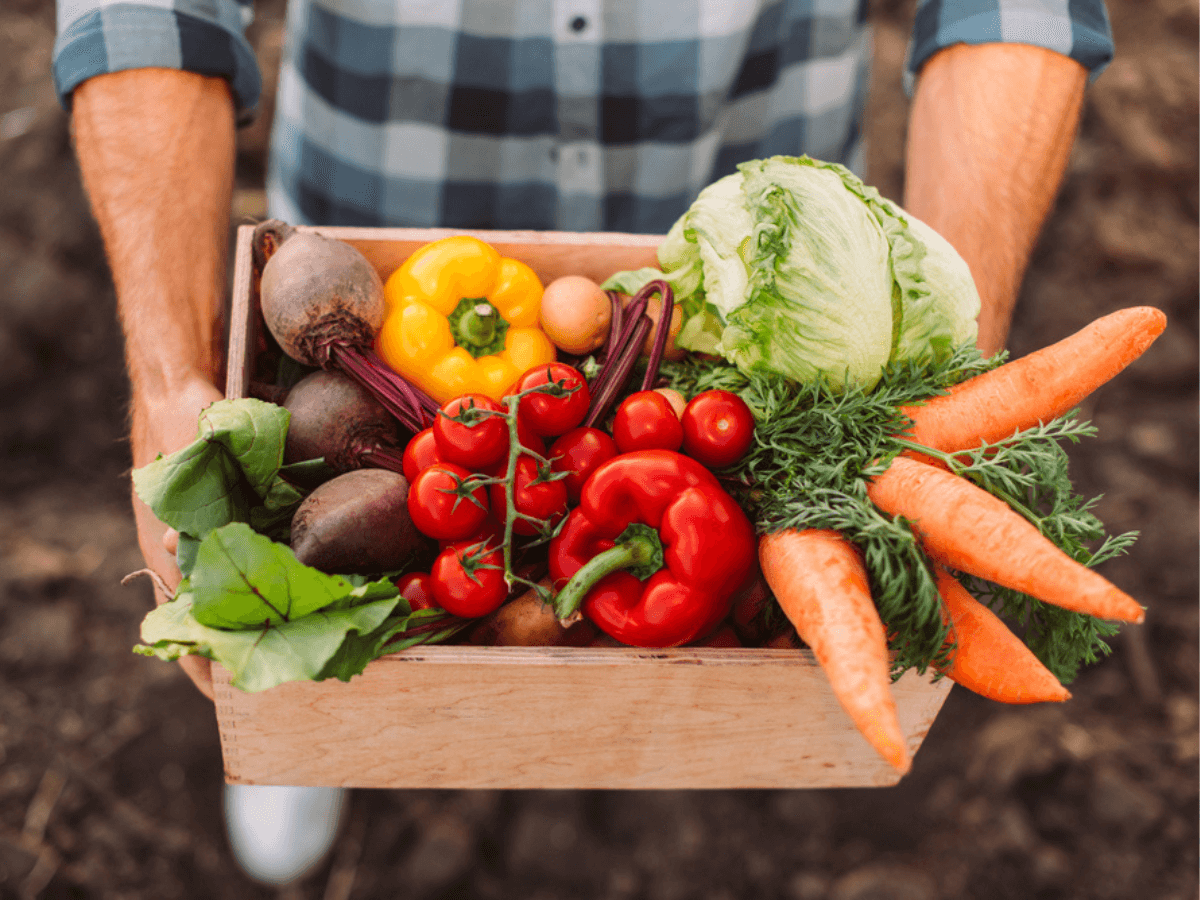
Vegetables, especially dark leafy greens like kale and collards, are essential for bone strength. Aim for at least seven servings daily, whether you eat them slowly at meals or blend them into a nutrient-packed green drink. Greens provide calcium, magnesium, and a host of other minerals that build and protect bone density. Variety is also key; mixing colors ensures you’re getting a broad spectrum of nutrients. Each bite you take is like a small deposit into your bone health savings account.
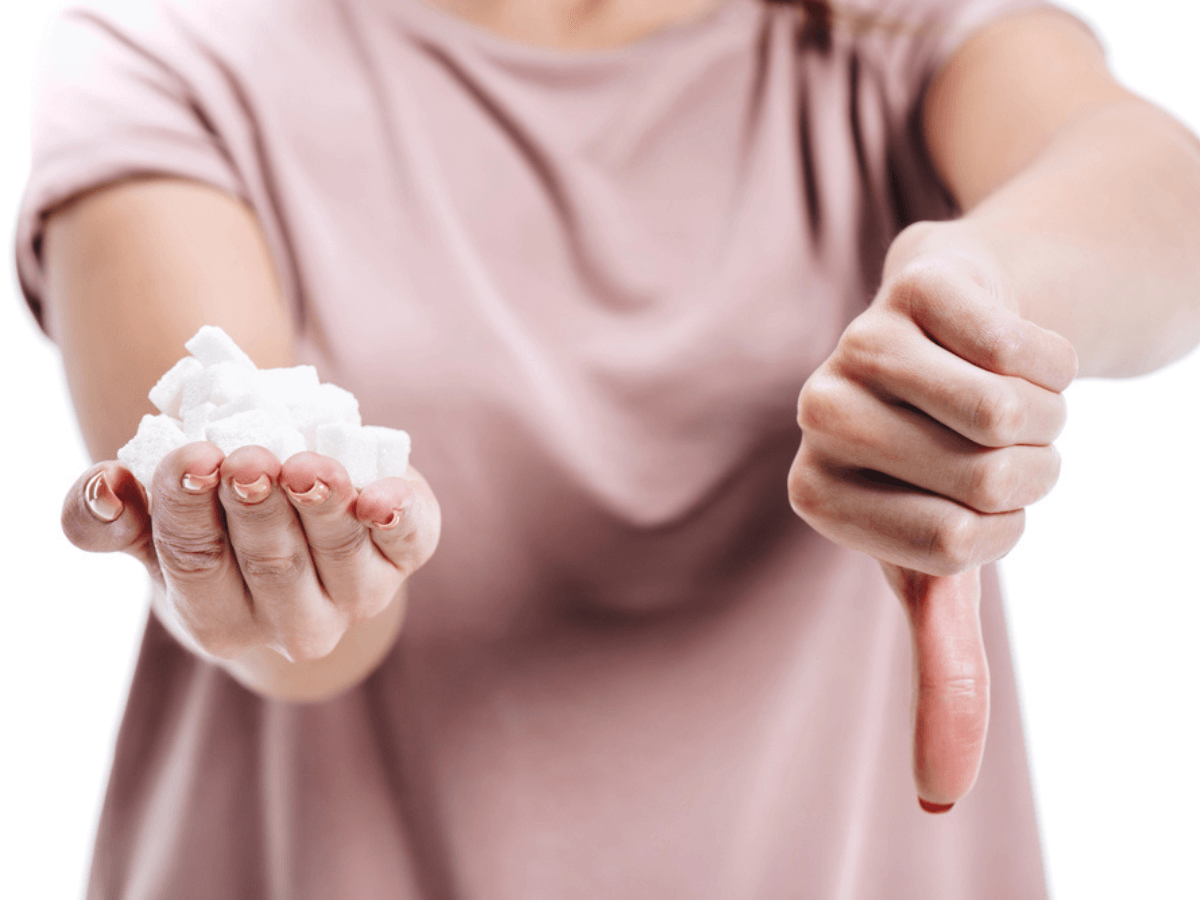
Sugar may taste sweet, but its effect on bone health is anything but. High sugar intake increases acidity in the body and causes calcium to leach from bones and teeth. Refined sugar also spikes insulin and creates inflammation, both of which contribute to bone loss over time. Fresh fruits and vegetables already provide the natural sugars your body needs without the harmful effects. By cutting back on refined sugar, you’re giving your bones a chance to stay strong and supported.
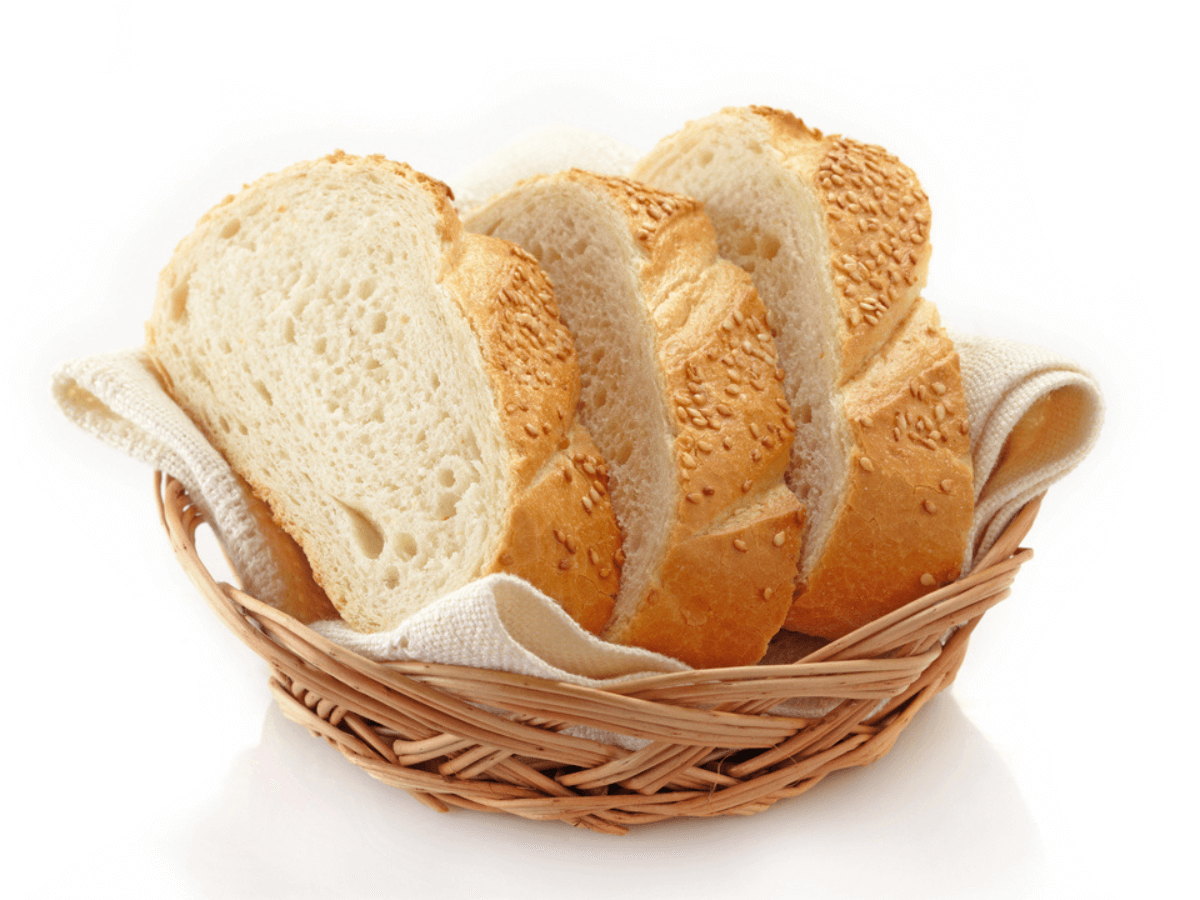
Bread may be comforting, but it’s a simple carbohydrate that quickly turns to sugar in the body. Like refined sugar, it creates acidity and contributes to calcium loss over time. This one was always a personal challenge for me, but skipping the bread basket has a noticeable effect on energy, digestion, and long-term bone health. Choosing fiber-rich vegetables or whole grains in moderation provides better support. Stronger bones sometimes require saying no to the foods that weaken them.
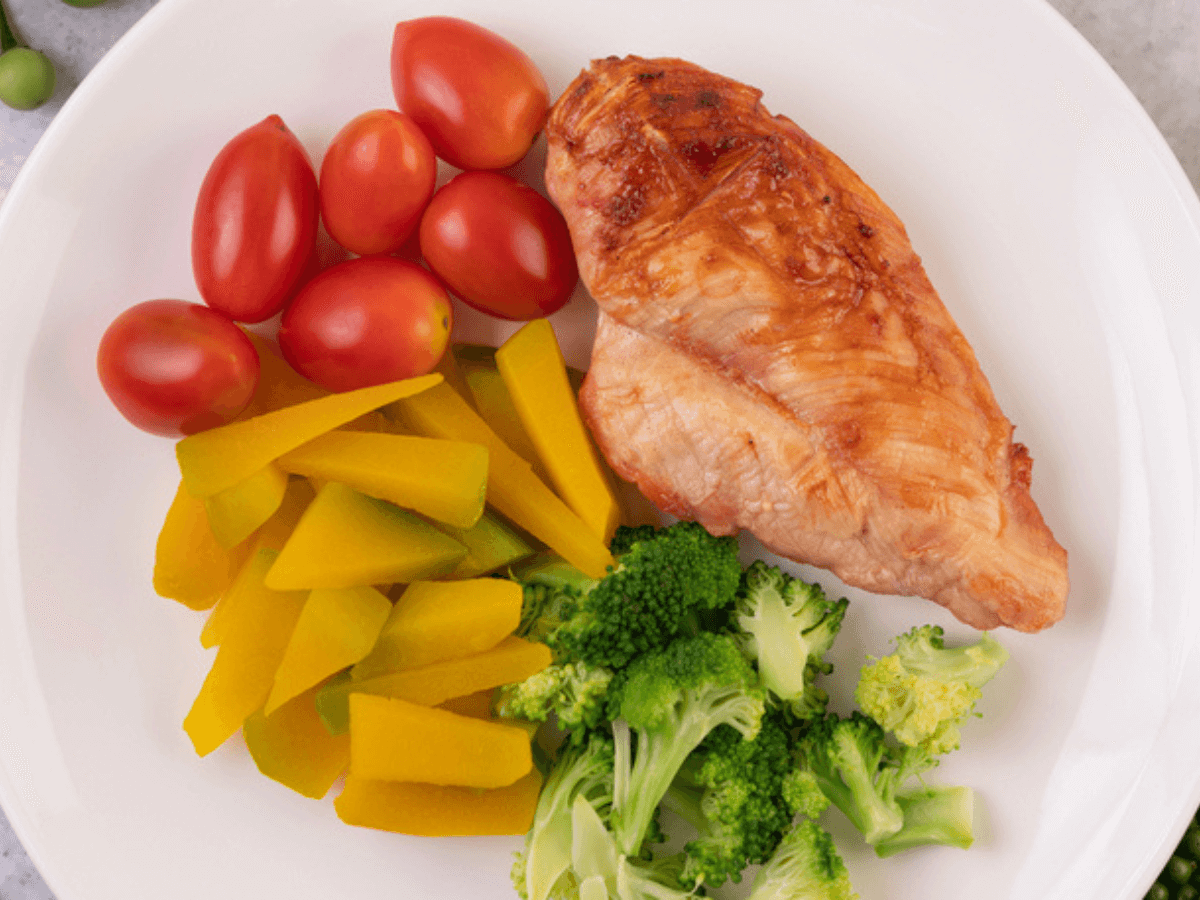
Animal protein, especially when consumed in large portions, can be acidic and contribute to calcium leaching from bones. That doesn’t mean you need to eliminate it entirely—just reframe it. Use protein as the side dish and let vegetables take center stage on your plate. Balance is key, and mindful portions protect your bone health without depriving you of variety.

Good digestion supports good nutrition, and that starts before the first bite. Take a few deep, calming breaths before eating to bring blood flow to your digestive system and signal your body that it’s time to absorb nourishment. When we rush meals or multitask, our bodies shift into stress mode, making digestion less effective. Elevated cortisol and insulin from stress also encourage weight gain and poor nutrient absorption. By slowing down, you not only enjoy your meal more—you also give your bones the best chance to benefit from the food you’re eating.

Chewing is an underrated step in digestion, but it makes a big difference in nutrient absorption. Carbohydrates, in particular, need to be broken down in the mouth, and thorough chewing gives your digestive system a head start. Try chewing each bite at least 10 times before swallowing—you’ll be surprised how flavors deepen and satiety increases. This small act helps your body make the most of the calcium and minerals in your meals. Think of your teeth as the first tools for better bone health.
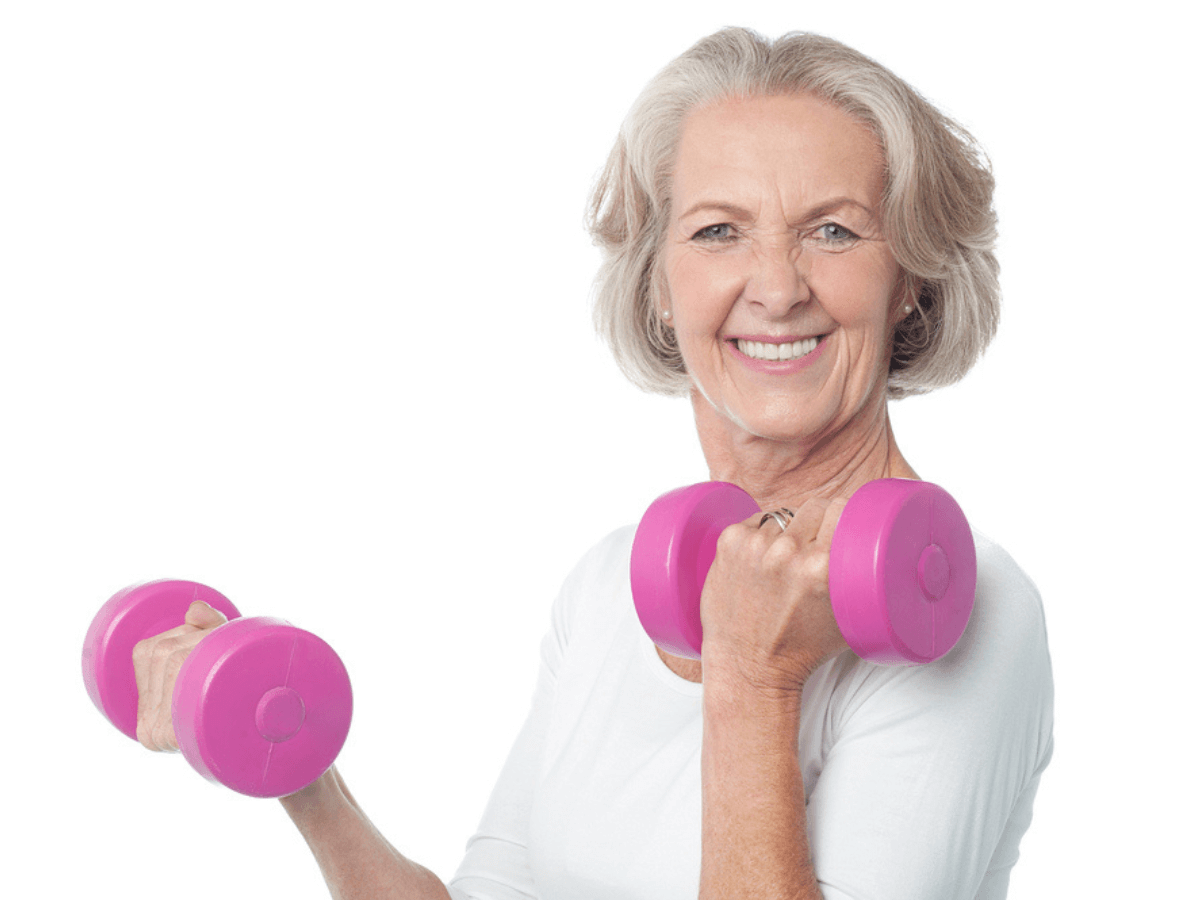
Strong bones depend on more than just food; they also need movement and resistance. Simple exercises like balancing on one leg or using light hand weights can improve bone density and stability. Try standing with one foot raised while doing arm curls or overhead presses with small dumbbells to challenge your body. If balance is tricky, use a wall for support and gradually build strength over time. These daily practices may seem simple, but they create long-term resilience for both bones and muscles.
When you are ready to move forward with your exercise find a local Onero weight lifting program. Studies confirm Onero builds bones.
Bone health is not a quick fix but a collection of small, intentional choices. From starting your day with lemon water to moving your body with weight-bearing exercise, each habit strengthens your foundation. These tips for bone health are easy to integrate into daily life, and over time they reduce the risk of osteoporosis and other bone-related issues. Better bone health is achievable—and it starts with the next choice you make.
Why I Switched from Coffee to Matcha (And Why You Should Too)
I’ve officially slowly ending my relationship with coffee. Yep, we’re done. But don’t worry—I’ve found a new love: matcha tea. And let me tell you, things are getting pretty serious.
What is Matcha? If you haven’t heard, matcha is the cool, zen cousin of regular green tea. This traditional Japanese green tea has been around for centuries (thanks, Buddhist monks!). It’s not only a staple of Japanese tea ceremonies but also your next secret weapon for better health. With matcha, you’re not just sipping tea—you’re drinking powdered tea leaves packed with antioxidants.
Matcha isn’t just a pretty green drink—it’s like a wellness powerhouse. Matcha tea benefits include lowering stress, improving memory, and giving you that perfect energy boost without the jitters (sorry, coffee). It’s also loaded with L-theanine and EGCG (superhero antioxidants), which make it a total brain and body booster.
Oh, and in case you're wondering—mice love it too. Studies show they got better at mazes after sipping matcha. I’m not a mouse, but I think I’m navigating life better with it!
Making matcha green tea is like a fun little ceremony every morning:
In just a small serving of matcha, you’re getting a boatload of benefits:
Why Matcha Stole My Heart (and My Mornings): After finding out that coffee doesn’t like me back (food allergies—boo!), I needed a caffeine fix. Enter matcha tea—a smooth, calming, and energizing alternative. It’s like coffee without the drama. And whisking it up every morning? Let’s just say it’s become my new zen ritual.
Top Health Benefits of Matcha:
Matcha is basically a superfood in your cup. So, if you’re on a coffee break, or just looking to add a little more harmony and health into your life, give matcha a try. You won’t regret it!
I use organic Matcha, which I find at health food stores.
Or Amazon
CLICK HERE for my printable more detailed version
From my bones to yours,
Irma Jennings, INCH
Osteoporosis Patient Navigator
Hello friends of bones:
I’m happy to present my bone supplement interview with Dr. McCormick. We discussed his full line of bone supplements which are an important ingredient for healthy bones and why calcium in lower doses matters.
A number of attendees mentioned they were not able to get into the zoom call.
My 2022 gift to my community is the recording and the transcript.
(more…)With so many baby boomers approaching our 50's, 60's and 70's - we're 76 million strong - bone loss revealed through dexa test, being handed diagnosis of osteopenia, osteoporosis, has become part of our life's discussions. Strong bones are our life's foundation.
The question often asked: Do I take bone medications or do I take charge?
Please understand that bones weaken over time. In the same way we get wrinkles over time. Both of these situations are not a disease. It's called aging. And the aging process can be done with grace and ease. Yet when bone loss excellerates into the osteoporosis stage, then there is concern.
The following are 3-daily tips that everyone can use to improve their bone health.